The Northwest Passage is one of the most fascinating regions in the Canadian Arctic. For centuries, explorers searched these waters for a route between the Atlantic and Pacific Oceans. Long before those expeditions arrived, however, the region was already home to Inuit communities with generations of knowledge of the land, sea, wildlife and ice.
Today, travelling through the Northwest Passage offers an opportunity to experience this remarkable part of the world through many different perspectives. From Inuit culture and historic exploration to incredible wildlife and changing Arctic landscapes, every expedition reveals another side of the Passage.
An Inuit Homeland
The Northwest Passage stretches through Inuit Nunangat, the Inuit homeland, where Inuit have lived and travelled for thousands of years. Knowledge of the Arctic has been passed through generations, including an understanding of weather, sea ice, wildlife and the seasonal rhythms of the region.
An Adventure Canada expedition can provide opportunities to learn about contemporary Inuit life directly from the people who call the North home. Travellers may meet local artists, community members, performers and guides, while on board Inuit cultural educators can share stories, language and personal perspectives.
These experiences help place the Northwest Passage in its modern context. This is not simply a destination shaped by its history. It is a living homeland with communities, traditions and cultures that continue to evolve today.
A Route That Captured Explorers’ Attention
European explorers became fascinated with the possibility of a Northwest Passage as they searched for a shorter maritime route between Europe and Asia. Numerous expeditions attempted to navigate the Arctic, often facing challenging ice, unpredictable weather and unfamiliar conditions.
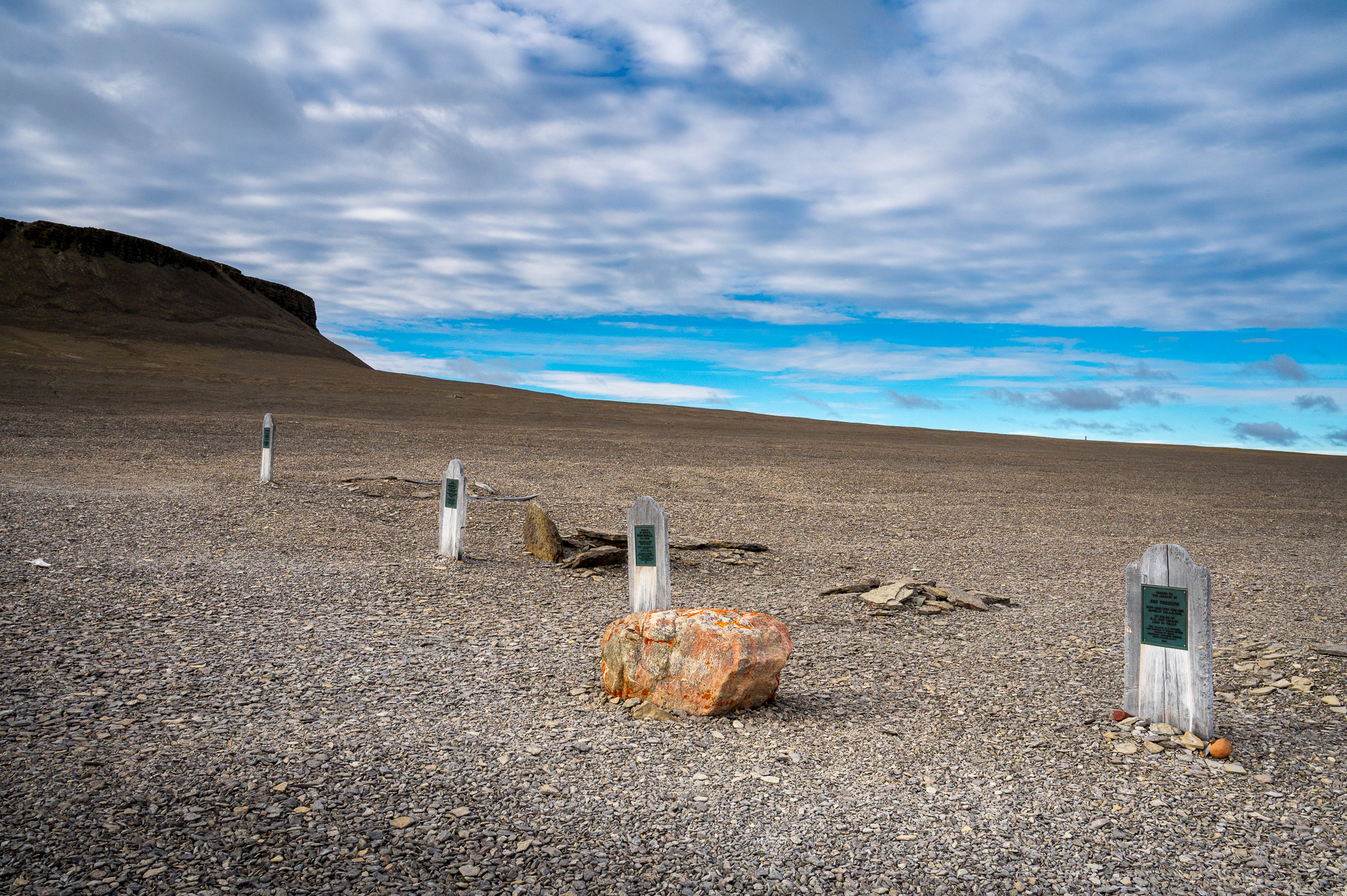
The legacy of these expeditions can still be seen throughout the region. Beechey Island, for example, is home to the graves of three members of Sir John Franklin’s ill-fated expedition. Sites such as this offer a glimpse into the challenges faced by early explorers and the risks involved in navigating the Arctic without the extensive local knowledge available today.
Inuit knowledge and testimony also played an important role in helping outsiders understand the fate of Franklin’s expedition. Their accounts provided valuable information about the region and what happened to the expedition, although this knowledge did not always receive the recognition it deserved at the time.
Wildlife in a Changing Arctic
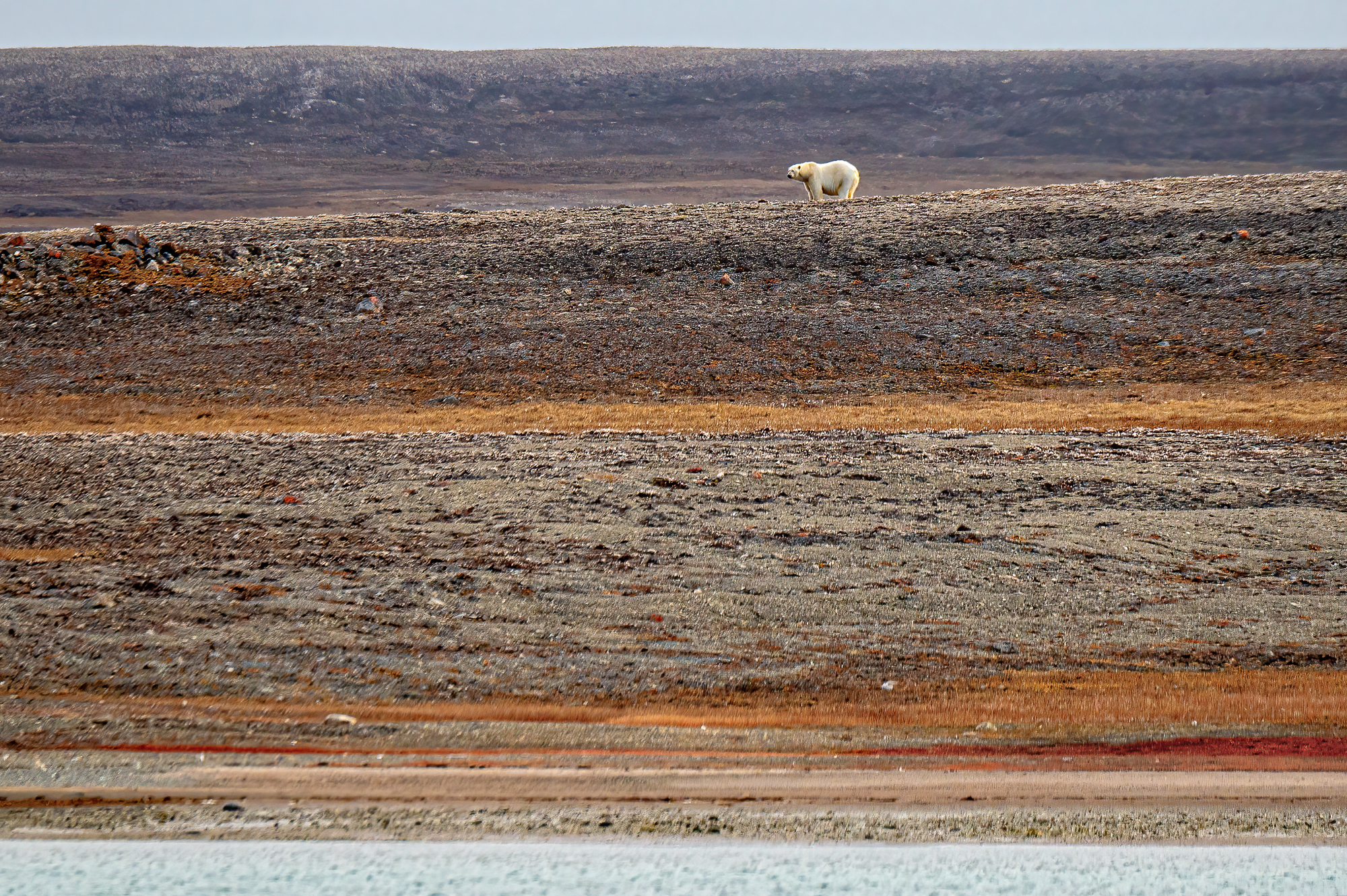
The Northwest Passage is also an extraordinary place to encounter Arctic wildlife. Depending on the route and conditions, an expedition may offer sightings of polar bears, whales, seals and vast numbers of seabirds.
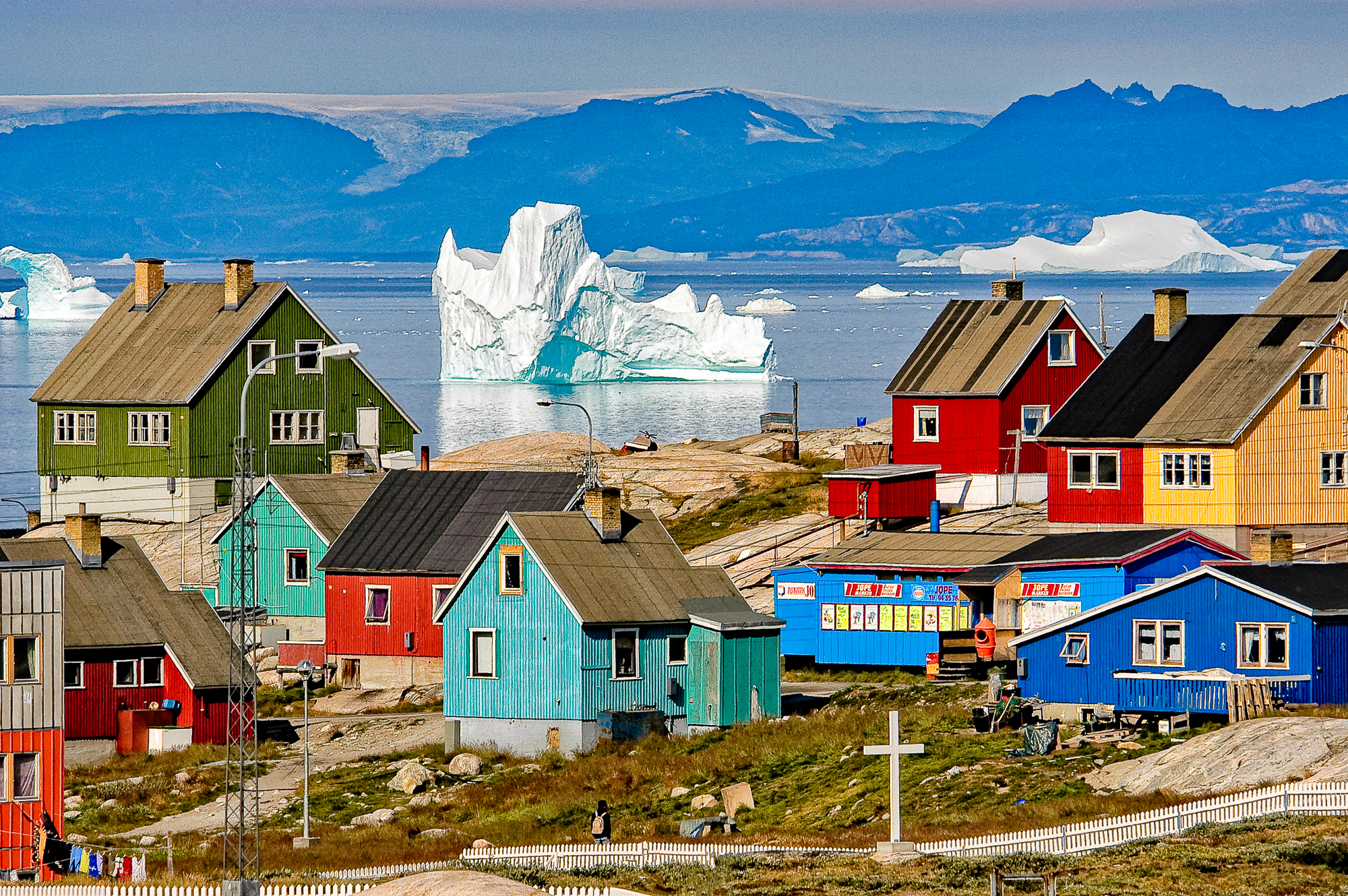
The landscape is equally impressive. Towering cliffs rise from the water, glaciers meet the sea, and enormous icebergs can drift through the surrounding waters. Greenlandic icebergs, carved from ancient glaciers, can make their way into Baffin Bay, creating some unforgettable scenery along the journey.
Wildlife encounters in the Arctic are never guaranteed, and that’s part of what makes an expedition so different from a traditional sightseeing trip. Conditions, weather and animal movements determine what travellers may see. The experience is about being present and watching the environment unfold around you.
Travelling With Adventure Canada
For more than three decades, Adventure Canada has operated small-ship expeditions focused on destinations across Canada’s Arctic and beyond.
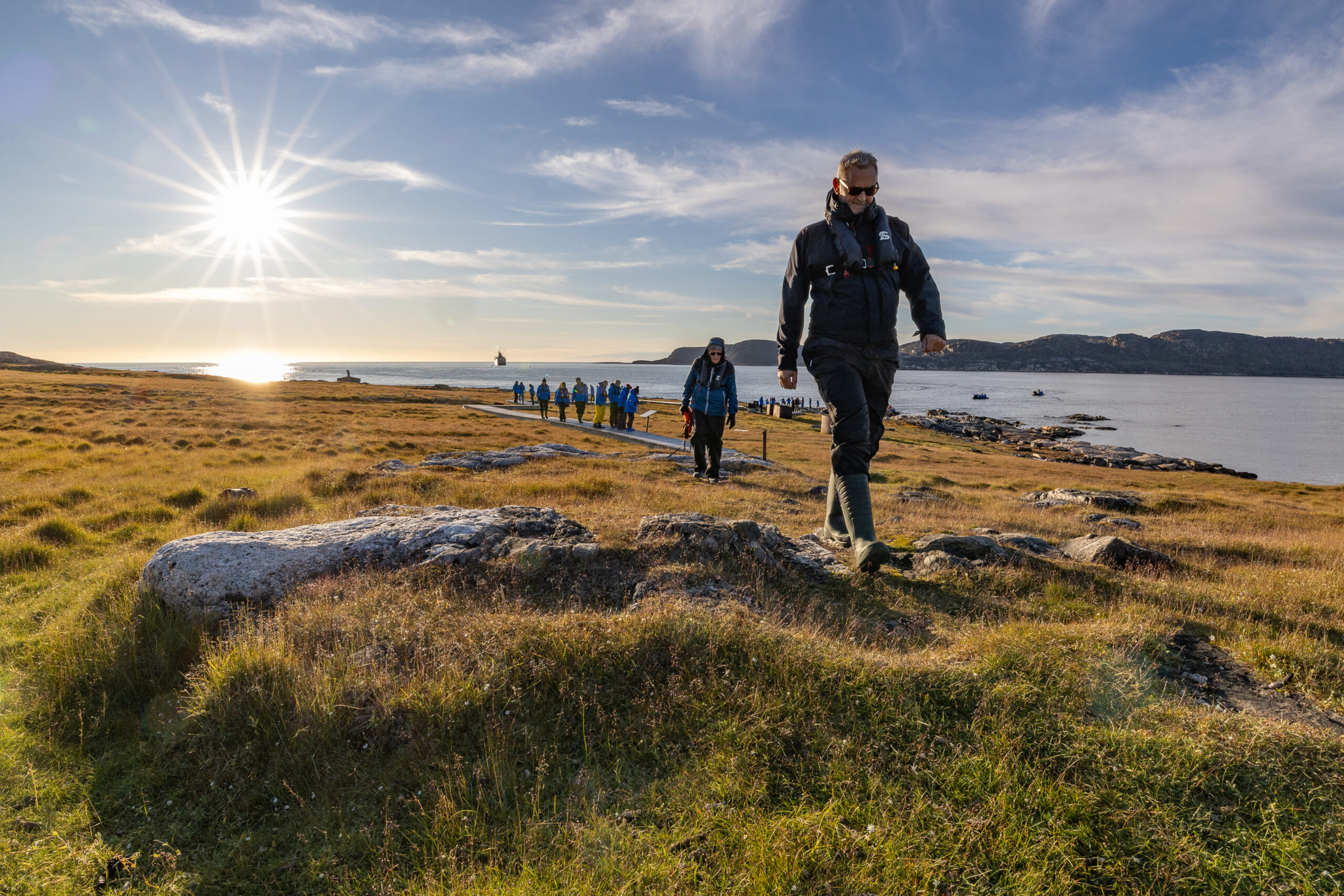
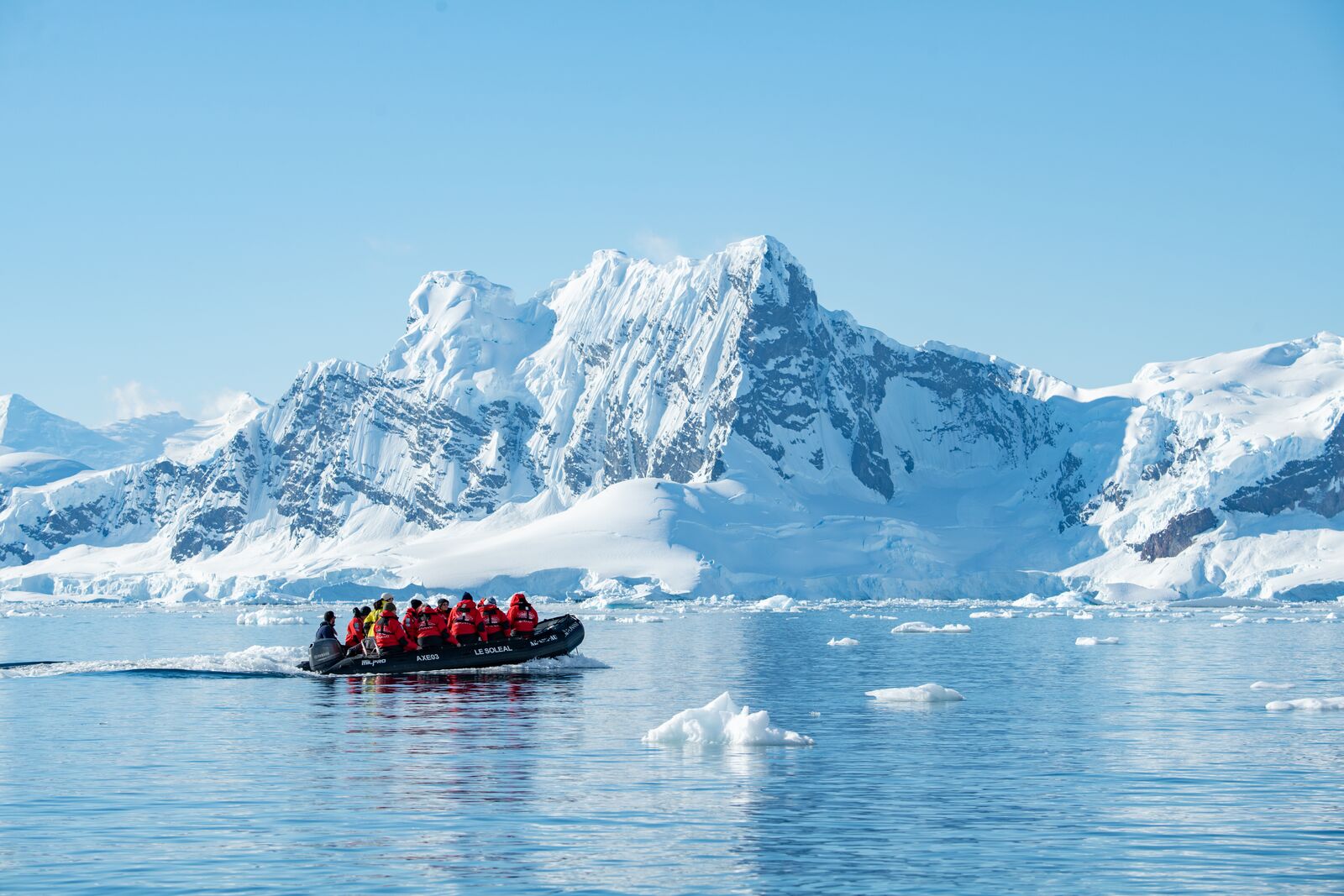
Their Northwest Passage itineraries combine exploration with opportunities to learn from local communities, historians, naturalists, photographers and other experts. Travellers can explore by expedition ship, Zodiac and on foot, with excursions designed around the conditions and opportunities available along the route.
Adventure Canada offers several itineraries that explore different parts of the Northwest Passage and the surrounding Arctic. Depending on the sailing, travellers can visit places such as Kugluktuk (Coppermine), Ikirahaq (Bellot Strait), Beechey Island, Sisimiut Coast, Ilulissat Icefjord and Kangerlussuaq.
Some itineraries also connect the Canadian Arctic with Greenland, creating a longer journey through the landscapes and communities on both sides of the Davis Strait.
Because Arctic conditions can change quickly, expedition itineraries are flexible. The exact route and activities may change based on weather, sea ice and wildlife conditions. Rather than following a rigid sightseeing schedule, travellers have the opportunity to experience the Arctic as it is on the day they arrive.
Explore the Northwest Passage With Tier One Travel
A Northwest Passage expedition is a very different kind of travel experience. It combines remote landscapes, fascinating history, wildlife encounters and opportunities to learn about the people and cultures connected to the Arctic.
With several Adventure Canada itineraries available, choosing the right expedition can depend on your preferred dates, length of trip, destinations and the type of experiences you’re hoping to have along the way.
Ready to explore Canada’s Arctic? A Tier One Travel Consultant can help you compare available Adventure Canada Northwest Passage journeys, answer your questions and find an itinerary that fits your travel plans.
Contact your Tier One Travel Consultant today to start planning your Northwest Passage adventure.
Inspired by the writing and perspective of Dennis Minty, Senior Advisor, Naturalist, Photographer and Host with Adventure Canada.