Bali is a destination where you can spend your mornings wandering through lush rice terraces, your afternoons relaxing on beautiful beaches, and your evenings watching the sunset beside an ancient temple. This Indonesian island offers a little bit of everything, from experiencing the culture and jungle landscapes to relaxing beach clubs and wellness retreats.
If you’re planning your first trip, deciding where to go can feel overwhelming. Bali has so many incredible places to explore, and while some attractions are close together, others require a longer drive or a boat journey to reach.
The good news? With a little planning, you can experience several sides of the island without spending your entire holiday travelling between destinations.
This Bali itinerary covers the best time to visit, how long to stay, where to go, and a sample seven-day itinerary to help you plan your adventure. Whether you’re dreaming of exploring Ubud, visiting the dramatic cliffs of Uluwatu, or taking a day trip to Nusa Penida, you’ll find plenty of ideas to make the most of your time.
When Is the Best Time to Visit Bali?

Bali has a tropical climate with warm temperatures throughout the year. Rather than four distinct seasons, the island generally experiences a dry season and a rainy season. Your ideal travel dates will depend on the weather you prefer, your budget, and the activities you want to enjoy.
Dry Season: April to October
The dry season is generally considered the best time to visit Bali for outdoor adventures, beach days, and sightseeing. Rainfall is typically lower, making it easier to plan activities such as hiking Mount Batur, exploring rice terraces, and visiting coastal attractions.
July and August are particularly popular, especially with international travellers taking summer holidays. Expect busier attractions and potentially higher prices for accommodation and flights during this period.
For a balance of pleasant weather and fewer crowds, consider visiting in May, June, or September. These months can be a great option for travellers hoping to enjoy the island without the peak summer rush.
Rainy Season: November to March
Bali’s rainy season brings higher humidity and more rainfall, although it doesn’t necessarily rain all day. You may still enjoy plenty of sunshine between showers, and the island’s landscapes will look especially lush and green!
This can be a good time to focus on cultural experiences, local cuisine, spa treatments, and exploring Ubud’s art galleries and cafés. It may also be possible to find accommodation deals since this time is outside the busiest holiday periods.
However, rain and rougher seas can affect boat trips to nearby islands and some outdoor activities. If visiting Nusa Penida or the Gili Islands is a priority, keep your schedule flexible and check local conditions before travelling.
Our tip: If this is your first Bali trip and you want to combine beaches, sightseeing, and island excursions, travelling in May, June, and September is definitely worth considering. Weather can vary from year to year, so no month guarantees perfect conditions.
Check out these awesome tours to add to your itinerary:
How Long Should You Spend in Bali?

The amount of time you need depends on your travel style and how many places you want to visit. Bali might look small on a map, but traffic and winding roads can make journeys longer than expected.
Here is a general guide to help you decide.
3 to 4 days: Enough for a short introduction to Bali, focusing on one area such as Ubud or southern Bali.
5 to 7 days: A good starting point for a first visit, with time for cultural attractions, rice terraces, and beaches.
10 to 14 days: Ideal for exploring several regions at a more relaxed pace, with room for a day trip to Nusa Penida or an overnight island stay.
2 weeks or longer: Great for travellers who want to explore beyond the main tourist areas, visit the Gili Islands, spend more time on the coast, or include activities such as scuba diving and hiking.
For most first-time visitors, 7 to 10 days is a great amount of time to explore Bali’s highlights without trying to fit too much into every day.
If you have limited time, consider choosing two main bases rather than changing hotels every night. Ubud works well for inland scenery and cultural experiences, while Uluwatu or another southern coastal area is ideal for beaches and sunsets.
7 Must-See Places in Bali
One of the best things about Bali is how different each region feels. From the green landscapes of the interior to the cliffs and beaches along the coast, there are plenty of ways to experience the island.
1. Ubud: Rice Terraces, Culture, and Wellness
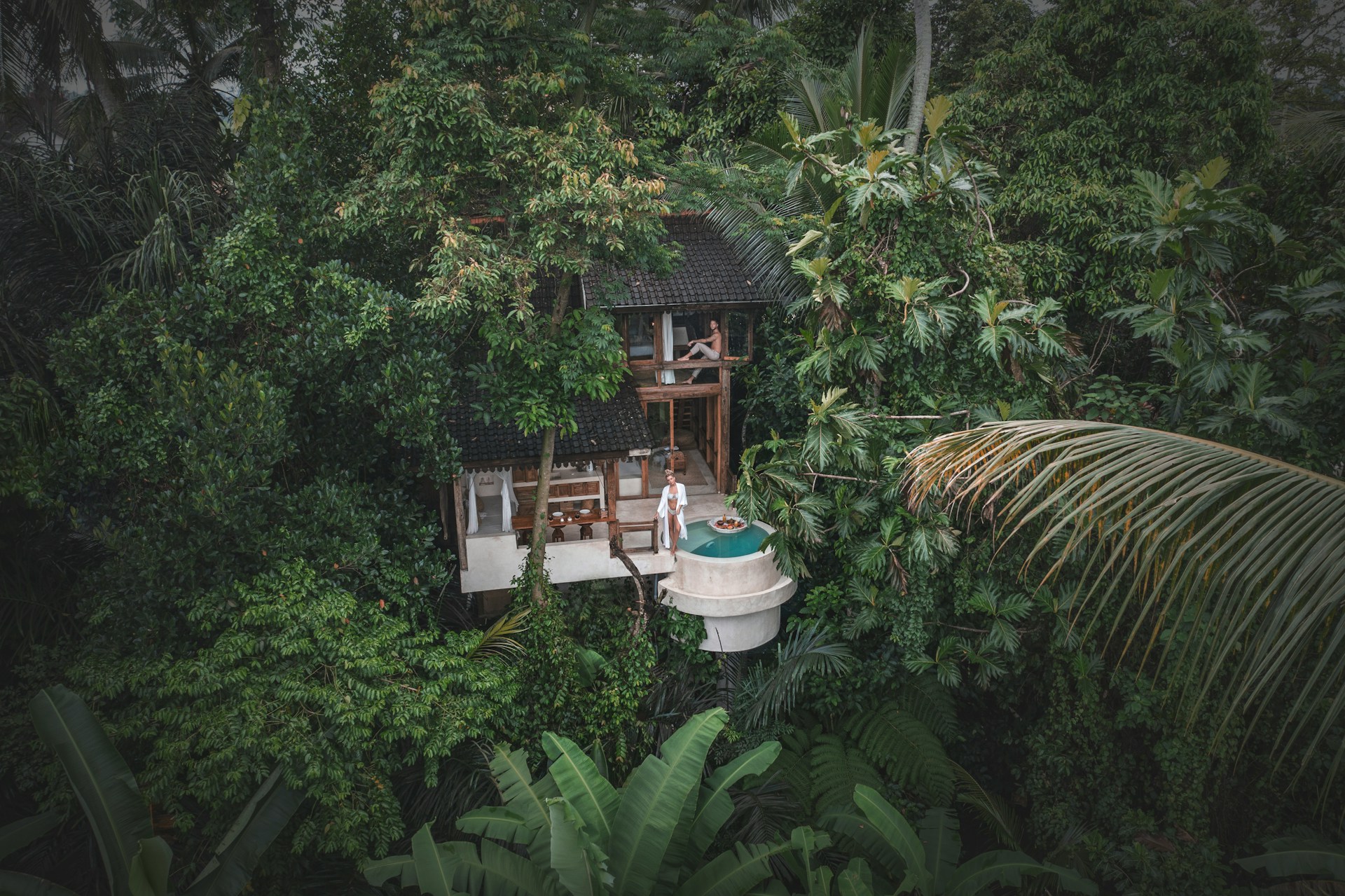
Ubud is one of the best places to begin a Bali itinerary, especially if you want to experience the island’s cultural side. Surrounded by tropical greenery, traditional villages, and rice paddies, it offers a different atmosphere from the busy beach areas in the south.
Some of the best things to do in Ubud include:
Visit Tegallalang Rice Terraces: Admire the layered rice fields and surrounding green valleys. Visit early in the day for cooler temperatures and a quieter experience.
Explore the Sacred Monkey Forest: Walk through a forest sanctuary that is home to long-tailed macaques and several temple structures. Keep your belongings secure and follow the sanctuary’s guidance around the monkeys.
Browse Ubud Art Market: Shop for locally made crafts, textiles, souvenirs, and artwork.
Walk the Campuhan Ridge Walk: Enjoy a scenic walking route through rolling green hills. Start early to avoid the midday heat.
Experience a traditional Balinese spa: Treat yourself to a massage or another wellness experience after a day of exploring.
Visit Tirta Empul: Learn about this important Hindu water temple and its sacred spring purification traditions. Visitors should follow local customs and dress requirements.
Ubud is also a great place to try Balinese cuisine, discover independent cafés, visit yoga studios, or stay in a boutique hotel surrounded by nature.
Allow at least two nights here if you want time to explore without rushing between attractions.
2. Uluwatu: Dramatic Cliffs and Beautiful Beaches

Located on Bali’s southern peninsula, Uluwatu is known for its rugged coastline, surf spots, beach clubs, and spectacular ocean views.
It’s an excellent choice for travellers who want to spend time by the sea while still enjoying cultural attractions.
Highlights include:
Uluwatu Temple: Visit this clifftop temple overlooking the Indian Ocean. Sunset is a popular time to visit, and traditional Kecak dance performances are often held in the evening.
Padang Padang Beach: Discover a well-known beach tucked between rocky cliffs. Access involves stairs, and conditions can vary with the tides.
Bingin Beach: Spend time at a picturesque coastal spot popular with surfers and travellers looking for a laid-back atmosphere.
Beach clubs: Enjoy an afternoon by the pool, food and drinks, and views of the coastline. Check minimum spends and reservations before visiting.
Sunset dining: Finish the day with a meal overlooking the ocean.
Uluwatu is a good place to slow down after a busy few days of sightseeing. Two or three nights will give you time to explore several beaches and enjoy a relaxed beach day.
3. Tanah Lot: A Famous Sea Temple
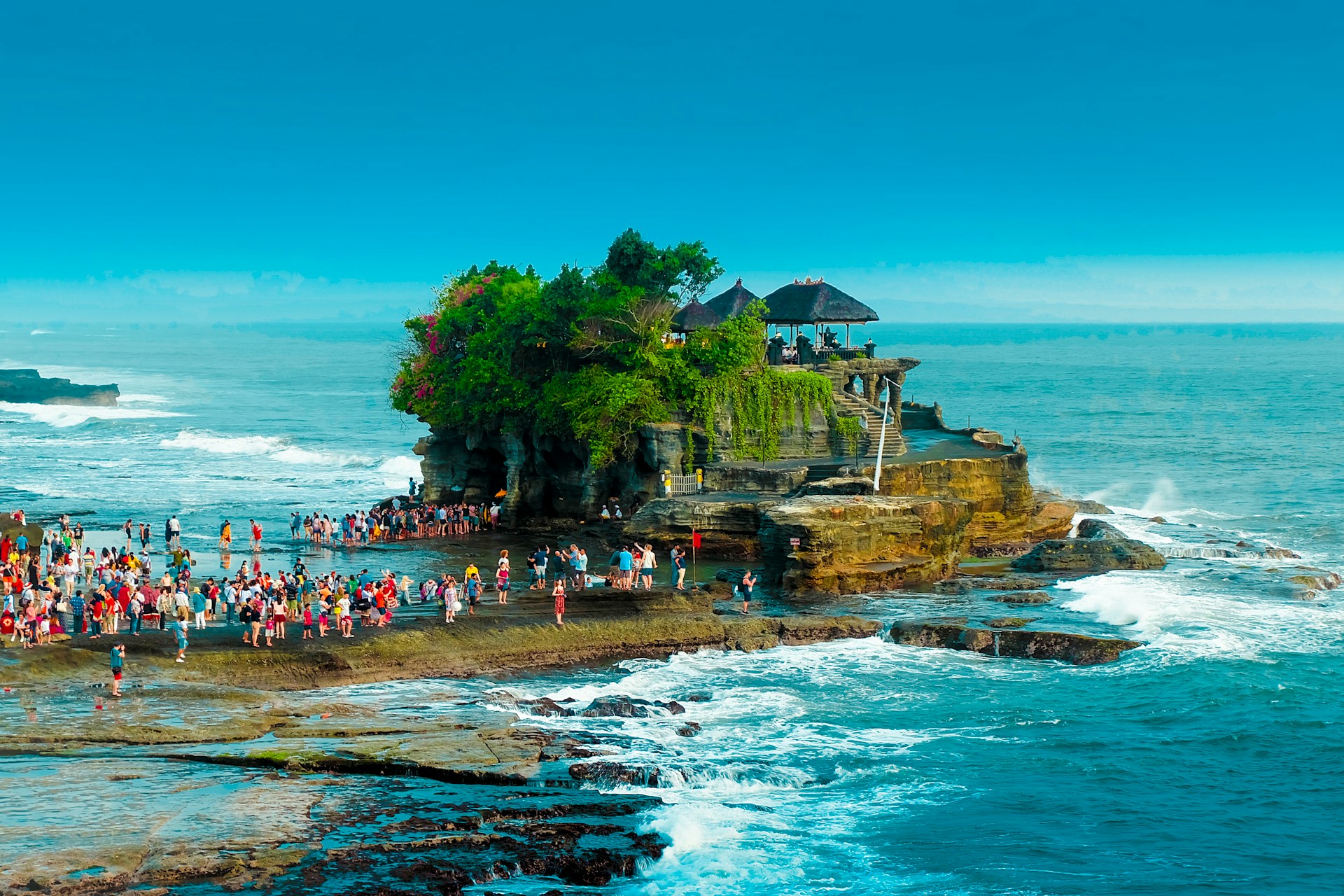
Tanah Lot is one of Bali’s best-known coastal landmarks. The temple sits on a rocky formation beside the sea, creating a memorable setting, particularly around sunset.
It’s a popular option for a half-day outing from areas such as Canggu or Seminyak. You can combine the visit with lunch, shopping, or an afternoon exploring the west coast.
Keep in mind that access to the temple’s immediate surroundings depends on the tides and local restrictions. Visitors should respect religious areas and follow signs indicating where access is permitted.
4. Nusa Penida: Clifftop Views and Rugged Coastlines
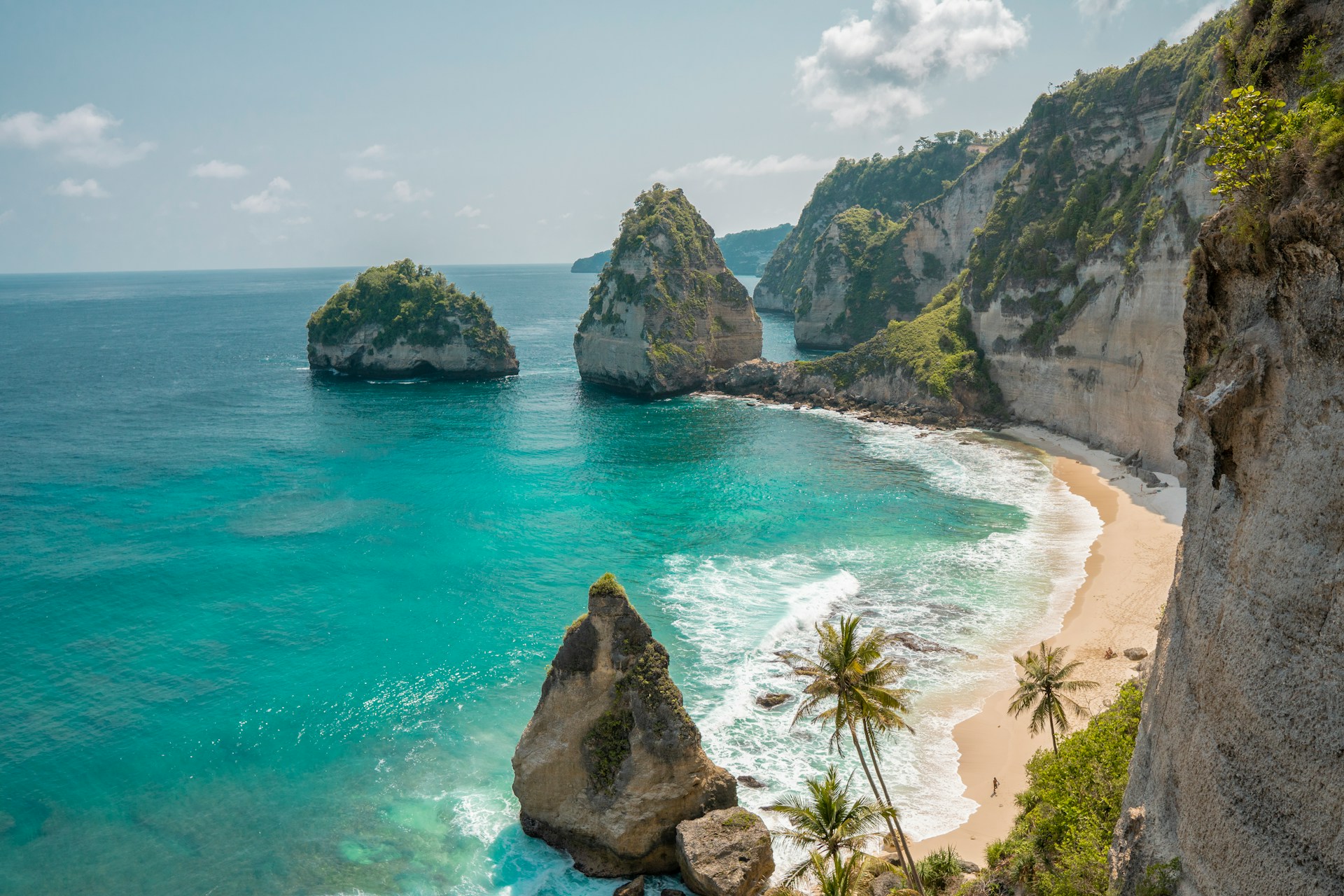
If you have enough time, consider adding Nusa Penida to your Bali itinerary. This nearby island is famous for its dramatic cliffs, turquoise water, and striking coastal scenery.
The most popular places to visit include:
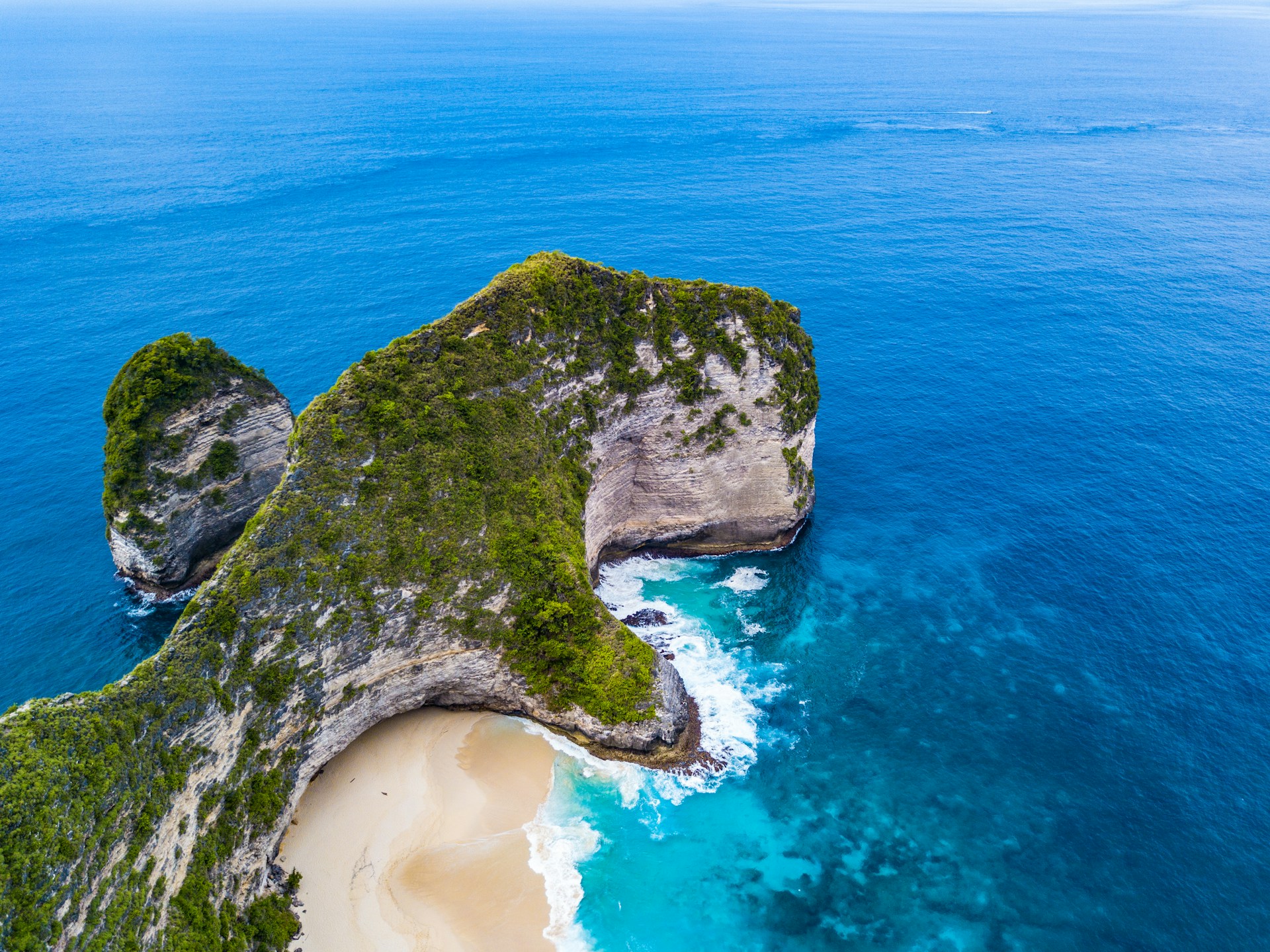
Kelingking Beach: Known for its distinctive cliff formation and sweeping ocean views. The viewpoint is spectacular, but the descent to the beach is steep and physically demanding.
Crystal Bay: A popular coastal stop for swimming and snorkelling when conditions are suitable.
Diamond Beach: Famous for its pale sand, clear water, and towering limestone cliffs.
Coastal viewpoints: Several stops offer incredible views across the Indian Ocean.
A day trip is possible from Bali, but the island’s roads can be rough, and travelling between attractions often takes longer than expected. Trying to cover both the east and west coasts in one day can make for a rushed experience.
If your schedule allows, consider staying overnight to explore at a more comfortable pace.
Boat schedules and sea conditions can change, so leave some flexibility in your plans, particularly during the rainy season.
5. The Gili Islands: An Island Escape

For travellers with extra time, the Gili Islands off the coast of Lombok are another option to consider. They are not part of Bali itself, but they can be added to a longer Indonesia holiday.
Each island has its own atmosphere:
Gili Trawangan: Known for its social atmosphere, restaurants, snorkelling, and nightlife.
Gili Air: Offers a relaxed island feel with a mix of beachside dining, snorkelling, and accommodation.
Gili Meno: Often associated with a quieter atmosphere and a more laid-back escape.
The islands are popular for snorkelling, scuba diving, and enjoying a slower pace of life. Depending on the season and conditions, you may have opportunities to see sea turtles and other marine life.
However, reaching the Gili Islands requires additional boat transfers and travel time. If you only have a week in Bali, you may prefer to save them for another trip rather than squeeze in too many destinations.
A Sample 7-Day Bali Itinerary

If you’re visiting for the first time, this seven-day plan combines cultural attractions, natural scenery, and time by the ocean. It uses Ubud and southern Bali as your main bases, with an optional day trip to Nusa Penida.
Travel times can vary considerably depending on traffic, weather, and your starting point, so treat this as a flexible outline rather than a fixed schedule.
Day 1: Arrive in Bali and Settle In
Arrive at Ngurah Rai International Airport, collect your luggage, and transfer to your accommodation.
If you’re arriving on a long international flight, keep your first day simple. Check in, unpack, and give yourself time to recover from travelling.
Depending on your arrival time, you could:
- Enjoy a relaxed meal at a nearby restaurant.
- Take a short walk around your accommodation.
- Book a massage or spa treatment.
- Settle into a poolside afternoon.
If you’re staying in Ubud, enjoy the greenery and relaxed atmosphere. If you’re beginning your trip in the south, you might prefer a beachside hotel or a private villa.
Travel tip: Allow extra time for airport transfers, particularly if you’re arriving during busy traffic periods. Avoid scheduling important activities too close to your landing time.
Day 2: Explore Ubud and Its Rice Terraces

Spend your first full day exploring Ubud’s cultural attractions and surrounding countryside.
Start early with a visit to Tegallalang Rice Terraces. Enjoy the views, explore the paths where access is permitted, and stop at a nearby café for breakfast or coffee.
Continue to Ubud’s town centre to visit the Ubud Art Market and explore nearby streets, shops, and restaurants. Depending on your interests, you could also visit the Sacred Monkey Forest or spend time at a local art gallery.
In the afternoon, consider a traditional Balinese massage or a visit to a yoga studio before heading out for dinner.
Overnight: Ubud.
Day 3: Temples, Waterfalls, and Balinese Culture

Use your second full day in the Ubud region to discover more of Bali’s cultural and natural attractions.
One option is to visit Tirta Empul, where you can learn about the temple’s significance and traditional purification practices. You could also explore nearby countryside or add a waterfall visit, depending on the route you choose.
If you prefer a slower day, spend the morning walking through the countryside or visiting a coffee plantation before enjoying lunch and an afternoon at your accommodation.
There is no need to fit every attraction into one day. Choose a few places that interest you and leave enough time to enjoy them.
Overnight: Ubud.
Day 4: Travel to Southern Bali

After breakfast, check out and travel to your chosen coastal base, such as Uluwatu, Jimbaran, or Seminyak.
The journey may take a couple of hours or longer, depending on traffic and your destination, so avoid booking too many activities for the same day.
Once you arrive, settle into your hotel or private villa and enjoy a relaxed afternoon.
You could spend time at the beach, visit a nearby café, or enjoy a sunset meal. If you’re staying in Uluwatu, a beach club might be a fun option for the afternoon.
Overnight: Southern Bali.
Day 5: Discover Uluwatu’s Beaches and Temple

Dedicate the day to exploring the southern coastline.
Start with a visit to Padang Padang Beach or Bingin Beach, choosing one or two stops rather than trying to visit every beach in the area.
After lunch, relax at your accommodation or enjoy a beach club experience.
Later in the afternoon, visit Uluwatu Temple for its dramatic clifftop views. If you’re interested in traditional Balinese performance, check the schedule for the Kecak dance and consider booking ahead.
Finish the day with dinner overlooking the ocean.
Overnight: Southern Bali.
Day 6: Take a Day Trip to Nusa Penida
For a change of scenery, use day six for a trip to Nusa Penida.
Arrange transport to the departure harbour and take a boat to the island. Once there, a local driver or organized tour can help you visit selected viewpoints and coastal attractions.
For a west-coast-focused trip, Kelingking Beach is a major highlight. Depending on your schedule and road conditions, you may be able to include other viewpoints or a stop at Crystal Bay.
Remember that Nusa Penida’s roads can be challenging, and journey times between stops may be longer than expected. Choose a manageable route and avoid rushing to catch your return boat.
If you would rather spend the day relaxing, skip the island excursion and enjoy another beach day in Bali. You could also explore Tanah Lot if it fits your location and interests.
Overnight: Southern Bali.
Planning note: If you would rather stay overnight on Nusa Penida, move this excursion to a two-day visit and adjust the rest of your itinerary accordingly.
Day 7: Enjoy a Relaxed Final Day
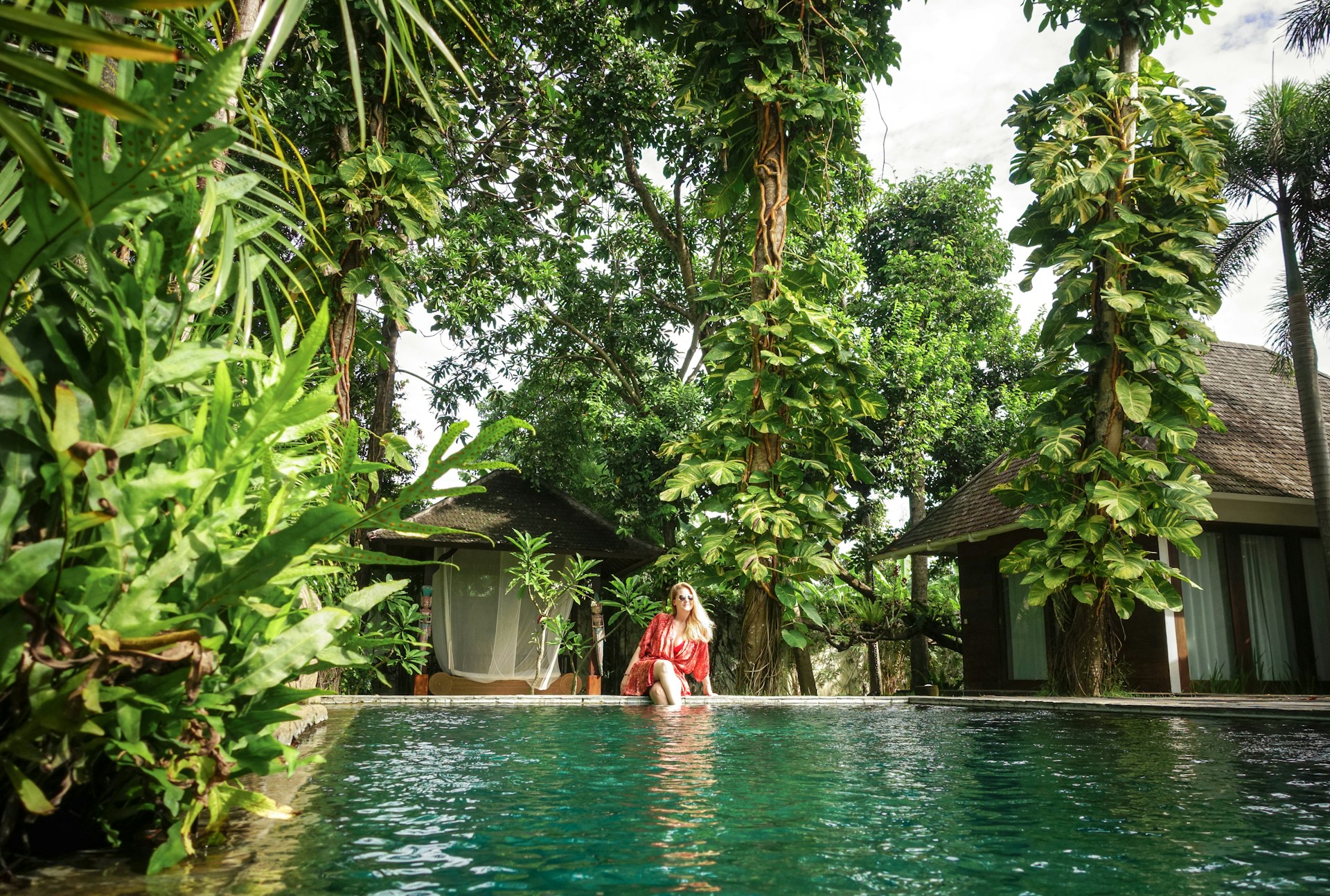
Make your final day as active or relaxed as you like, depending on your departure time.
You could enjoy breakfast at a favourite café, spend a few hours by the pool, browse local shops, or book a final spa treatment.
If your flight leaves later in the day, you may have time for a nearby attraction. Just be sure to allow plenty of time to return to the airport, particularly during busy periods.
If your international flight leaves early, you may need to travel back to the airport the previous evening or adjust your final night accordingly.
Your Bali trip doesn’t have to end with a packed schedule. Sometimes a slow morning and one last look at the ocean make the perfect ending.
Want to Extend Your Bali Itinerary?

Seven days is a useful starting point, but adding a few extra days opens up more possibilities.
Here are some ideas if you have 10 days or two weeks available.
Add an overnight stay on Nusa Penida. Rather than squeezing the island into one day, spend a night there to explore more of its coastline.
Visit East Bali. Explore the region’s temples, traditional villages, and coastal scenery. Depending on your route, you might visit water palaces or other cultural attractions.
Watch the sunrise from Mount Batur. This active volcano is a popular destination for guided sunrise treks. The hike involves an early start and uneven terrain, so consider your fitness level and check conditions before booking.
Spend more time at the beach. Add a few days in Uluwatu, Jimbaran, or another coastal area for swimming where conditions are safe, surfing, and enjoying beachside restaurants.
Explore the Gili Islands. If you have enough time, add several nights for snorkelling, diving, and a slower island experience. Allow for the additional transfers and check boat schedules before committing to your route.
Plan a wellness retreat. Ubud offers plenty of opportunities to slow down with yoga, spa treatments, and time in nature.
Rather than adding every destination to your list, choose the experiences that matter most to you. A well-paced itinerary will often be more rewarding than trying to see everything in one trip.
Practical Tips for Planning Your Bali Trip

A little preparation can make a big difference to your experience, particularly if this is your first visit.
Choose Your Accommodation Based on Your Plans
Bali has accommodation for many budgets and travel styles, from boutique hotels and guesthouses to luxury resorts and private villas.
Think about what you want to do before deciding where to stay. Ubud is convenient for rice terraces and cultural attractions, while southern coastal areas are better suited to beach days and sunset dining.
Staying in two or three locations can reduce unnecessary travel, but moving too frequently can eat into your holiday.
Consider Hiring a Private Driver
A private driver can be a convenient option for sightseeing days when you want to visit several attractions. It allows you to organize stops around your interests without having to navigate unfamiliar roads yourself.
For longer excursions, confirm what is included, how many hours the service covers, and whether additional fees apply. Alternatively, an organized tour may be a good fit if you prefer having transport and activities arranged together.
Account for Travel Time
Short distances on a map don’t always mean short journeys in Bali. Congestion, narrow roads, and the time needed to reach popular attractions can all affect your schedule.
Group nearby sights together and avoid planning too many stops in one day. For boat trips, check departure times, transfer arrangements, and weather conditions in advance.
Respect Local Customs
Bali is home to a living Hindu culture, and religious traditions are an important part of daily life.
When visiting temples, follow the dress code and any rules regarding access to sacred areas. Sarongs may be required, and some areas have restrictions on who may enter.
Be respectful when ceremonies are taking place, ask before photographing people, and follow guidance from local staff or guides.
Check Entry Requirements Before You Travel
Before departure, check the latest Indonesian entry requirements for your passport, including visa eligibility, passport validity, and any required arrival declarations.
Also review any applicable visitor fees or local tourism requirements. Rules and fees can change, so use official sources when preparing for your trip.
Leave Room for Flexibility
Even the best itinerary may need to change because of rain, traffic, boat cancellations, or unexpected delays.
Avoid scheduling a major excursion immediately before an important international flight, and keep some free time for spontaneous discoveries. You may find a café you love, a beautiful stretch of coastline, or a local experience you want to enjoy a little longer.
Plan Your Bali Itinerary with Tier One Travel

From Ubud’s lush rice terraces to Uluwatu’s dramatic cliffs and the beautiful beaches of the nearby islands, Bali offers countless ways to create a memorable holiday.
The key is finding the right balance between sightseeing, cultural experiences, and time to relax. Whether you have one week or two, choosing the right locations and allowing enough time to explore can help you make the most of your trip.
Not sure where to start? A Tier One Travel Consultant can help you plan your Bali holiday, compare accommodation options, organize flights and transfers, and find experiences that suit your travel style.
READY TO PLAN YOUR BALI ADVENTURE?
When you’re ready to book your next travel plans, contact one of our Tier One Travel consultants. They will find the perfect place for your next vacation and will craft something incredible that is suited to your unique needs and will make sure your travel plans will be as stress-free as possible.
One call; endless experiences!