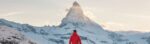
With its snow-covered peaks, picturesque alpine villages, sparkling lakes and charming European cities, Switzerland is a destination that deserves a spot on every traveller’s bucket list! Whether you’re dreaming of scenic train journeys through the Swiss Alps, exploring mountain towns, enjoying a lakeside wine tasting or experiencing a traditional Christmas market, there’s something special to discover in every season.
But when exactly is the best month to visit Switzerland?
The answer depends on what you’d like to experience. Summer brings warm weather and excellent conditions for hiking and outdoor activities, autumn offers colourful scenery and fewer tourists, and winter transforms the country into a snowy destination filled with skiing and festive experiences. Spring is another wonderful time to visit, particularly for travellers hoping to enjoy milder weather and quieter destinations.
To help you plan your trip, here’s a look at the best time to visit Switzerland, what to expect throughout the year and some of the country’s must-see attractions and experiences.
Visiting Switzerland in Spring (March to May)
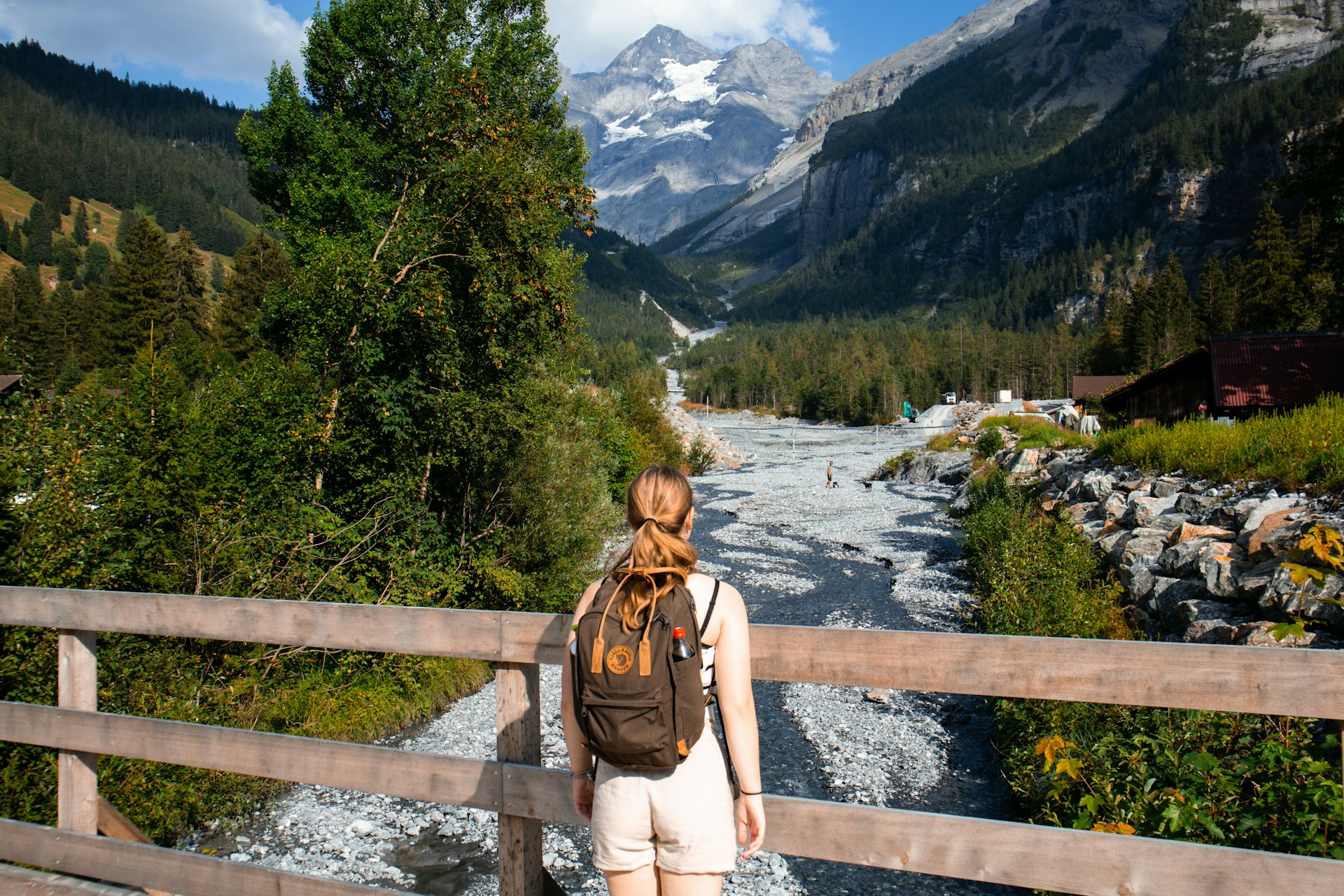
Spring is a wonderful time to experience Switzerland as the country begins to emerge from winter. Flowers start blooming, trees turn green and the landscapes gradually come back to life.
March can still feel very much like winter, particularly in higher elevations where ski resorts remain open and snow activities are still popular. By April and May, temperatures become milder in lower-altitude destinations, making it a good time for city sightseeing, lakeside walks and exploring Switzerland’s charming towns.
One thing to keep in mind is that spring can be a transitional season in the mountain regions. As the snow melts, some hiking trails, cable cars and mountain resorts may have limited access or close temporarily between their winter and summer operating schedules.
Why visit in spring?
- Enjoy fewer crowds in many popular tourist destinations.
- Experience blooming flowers and beautiful green landscapes.
- Take advantage of potentially lower prices outside major holiday periods.
- Explore cities and lakeside destinations in milder weather.
Travel tip: Late May can be a particularly lovely time to visit lower elevations, but if your plans revolve around mountain excursions, check opening schedules in advance. Some higher-altitude attractions may not yet be operating on their full summer schedules.
Visiting Switzerland in Summer (June to August)
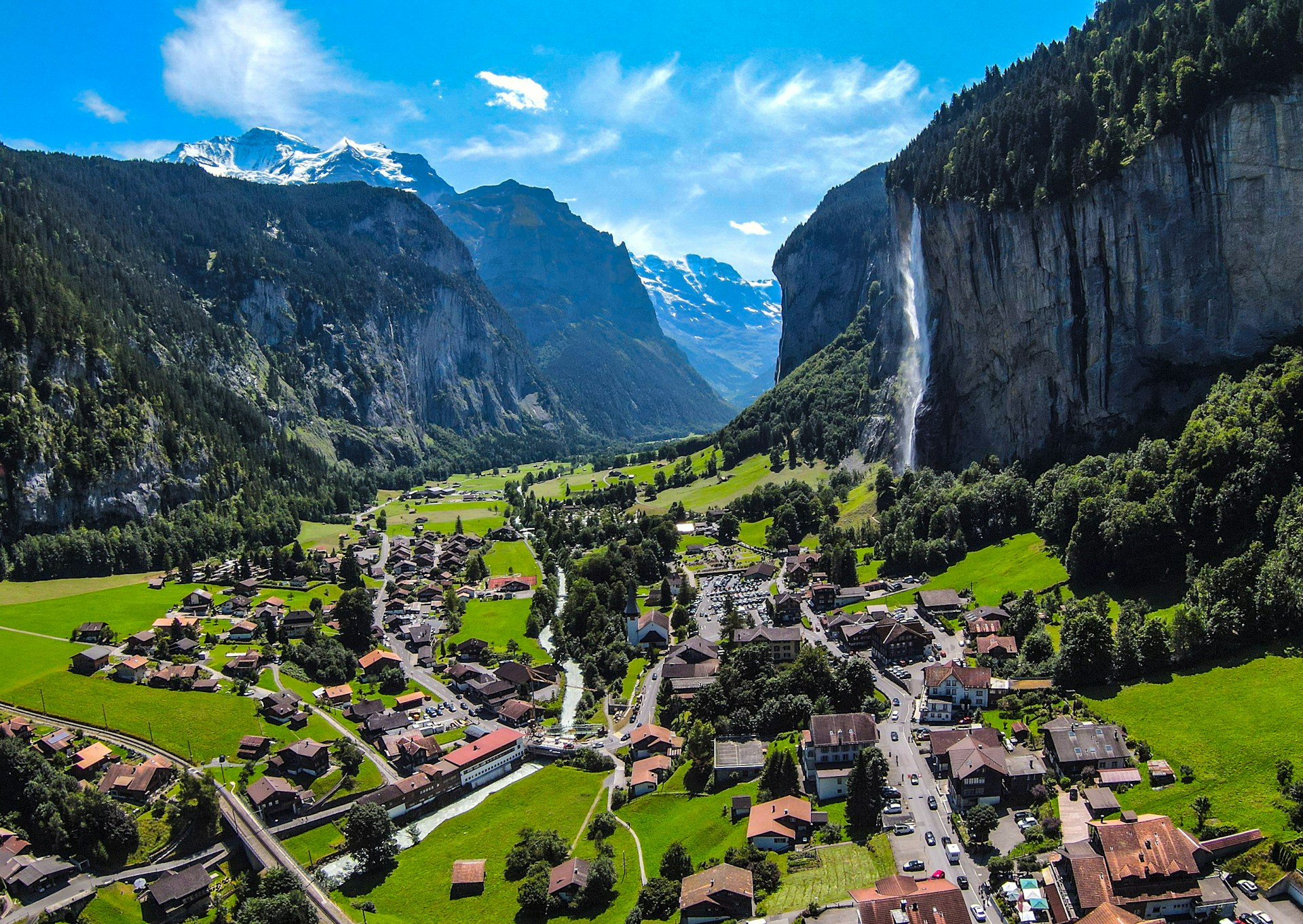
Summer is one of the most popular times to visit Switzerland, and for good reason. With longer days, warm temperatures and plenty of sunshine, it’s an ideal season for exploring the country’s natural beauty. From hiking through alpine meadows to swimming in crystal-clear lakes, summer offers some of the best conditions for outdoor activities. Many mountain cable cars, hiking trails and mountain resorts operate on their summer schedules, giving visitors more opportunities to explore higher elevations.
June is an especially good time to visit if you want to experience the beginning of summer without the busiest peak season. By July and August, visitor numbers increase, particularly in popular mountain destinations and during European school holidays.
June is arguably the best month for travellers who want to enjoy Switzerland’s beautiful summer scenery while avoiding the busiest travel period. As the snow melts, mountain landscapes become greener, wildflowers begin appearing across alpine meadows and hiking conditions improve at many elevations. The days are long, making it a wonderful time for sightseeing, scenic train journeys and outdoor adventures. Some higher-altitude hiking trails may still have snow, so it’s important to check local conditions before setting out.
July and August are the warmest months of the year, with daytime temperatures in many lower-altitude destinations typically ranging from 18°C to 28°C. These months offer excellent opportunities for hiking, cycling, swimming and exploring the Swiss Alps. Lakeside destinations are especially appealing, and mountain excursions are generally in full swing. Since this is peak season, popular destinations can become busier, accommodation prices are often higher and advance reservations are recommended.
There are also some wonderful seasonal events to enjoy:
- Montreux Jazz Festival: Held each summer along the shores of Lake Geneva, this internationally recognized music festival attracts performers and visitors from around the world.
- Swiss National Day: Celebrated on August 1st, this national holiday features community festivities, bonfires, fireworks and celebrations throughout the country.
Travel tip: If you’re visiting during the summer months, consider travelling in early June or late August to enjoy many of the benefits of summer while potentially avoiding some of the busiest travel dates.
Visiting Switzerland in Autumn (September to November)
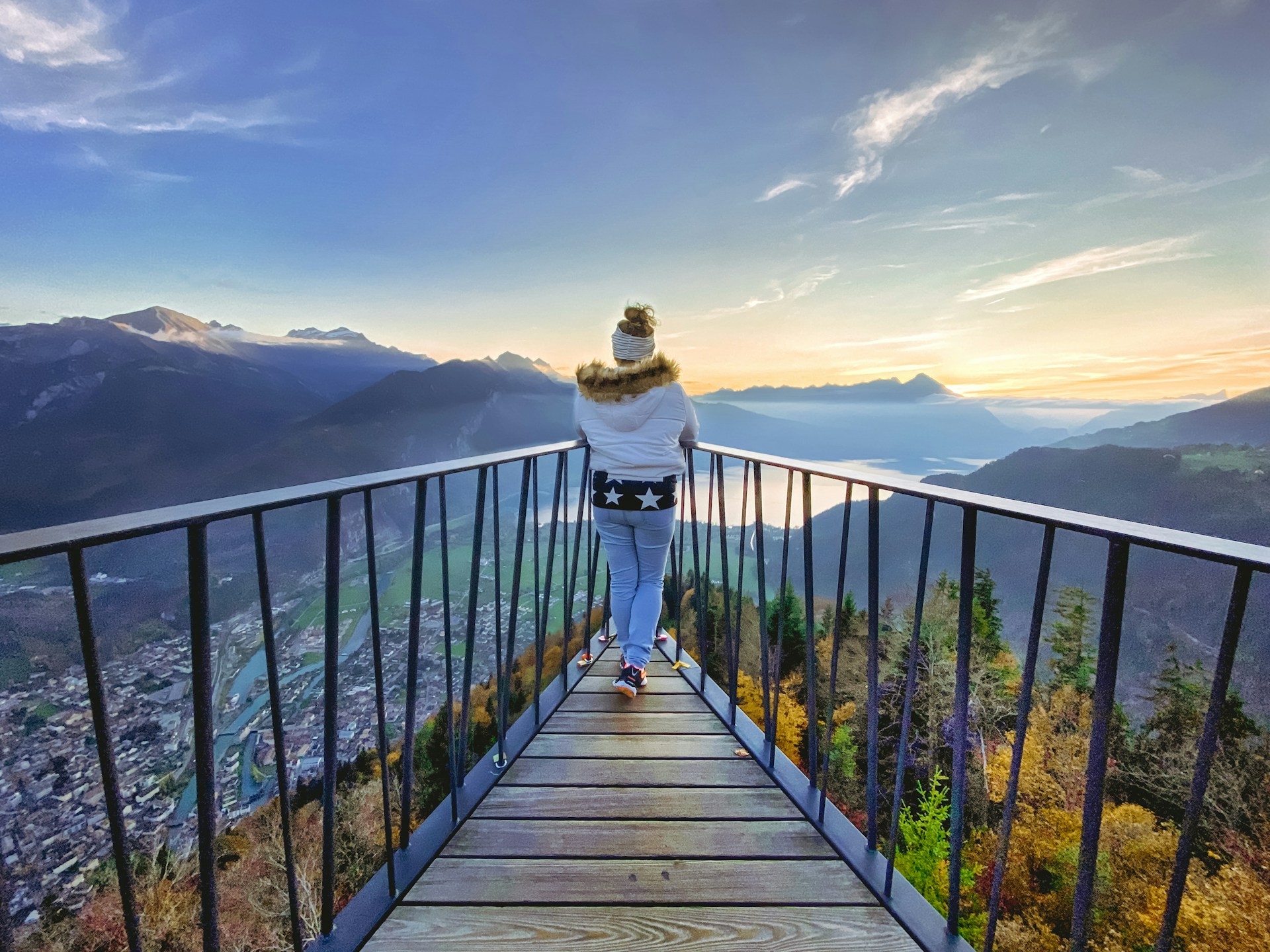
Autumn is another excellent time to visit Switzerland, especially for travellers who enjoy scenic landscapes, cooler temperatures and fewer crowds.
September is often considered one of the best months for a Swiss holiday. The weather is generally pleasant, many mountain attractions continue operating on summer schedules and the first signs of autumn begin appearing throughout the countryside.
As the season progresses, forests turn shades of gold, orange and red, creating beautiful scenery throughout the mountain regions and alpine villages.
Early fall offers a fantastic balance of comfortable weather and quieter travel conditions. Hiking is still possible in many areas, and the vineyards around Lake Geneva are particularly beautiful. One experience worth adding to your itinerary is wine tasting in the Lavaux vineyards. This UNESCO World Heritage Site features terraced vineyards overlooking Lake Geneva, offering spectacular views and opportunities to sample locally produced Swiss wines. September is also a great time to explore destinations such as Lucerne, Interlaken and Zermatt without the busiest summer crowds.
October brings more noticeable autumn colours and cooler temperatures, particularly at higher elevations. Early October can still offer excellent sightseeing and hiking conditions, depending on the weather and location. By November, Switzerland enters a quieter shoulder season. Some mountain attractions and cable cars close temporarily as they transition between summer and winter operations, while ski resorts begin preparing for the upcoming winter season.
Why visit in autumn?
- Enjoy beautiful fall foliage throughout the country.
- Experience fewer tourists in many popular destinations.
- Explore vineyards and enjoy seasonal wine tasting.
- Potentially find lower accommodation prices outside peak travel dates.
Travel tip: If you’re looking for the best balance of good weather and fewer crowds, aim for September or early October. Always check mountain trail and cable car schedules before booking excursions.
Visiting Switzerland in Winter (December to February)
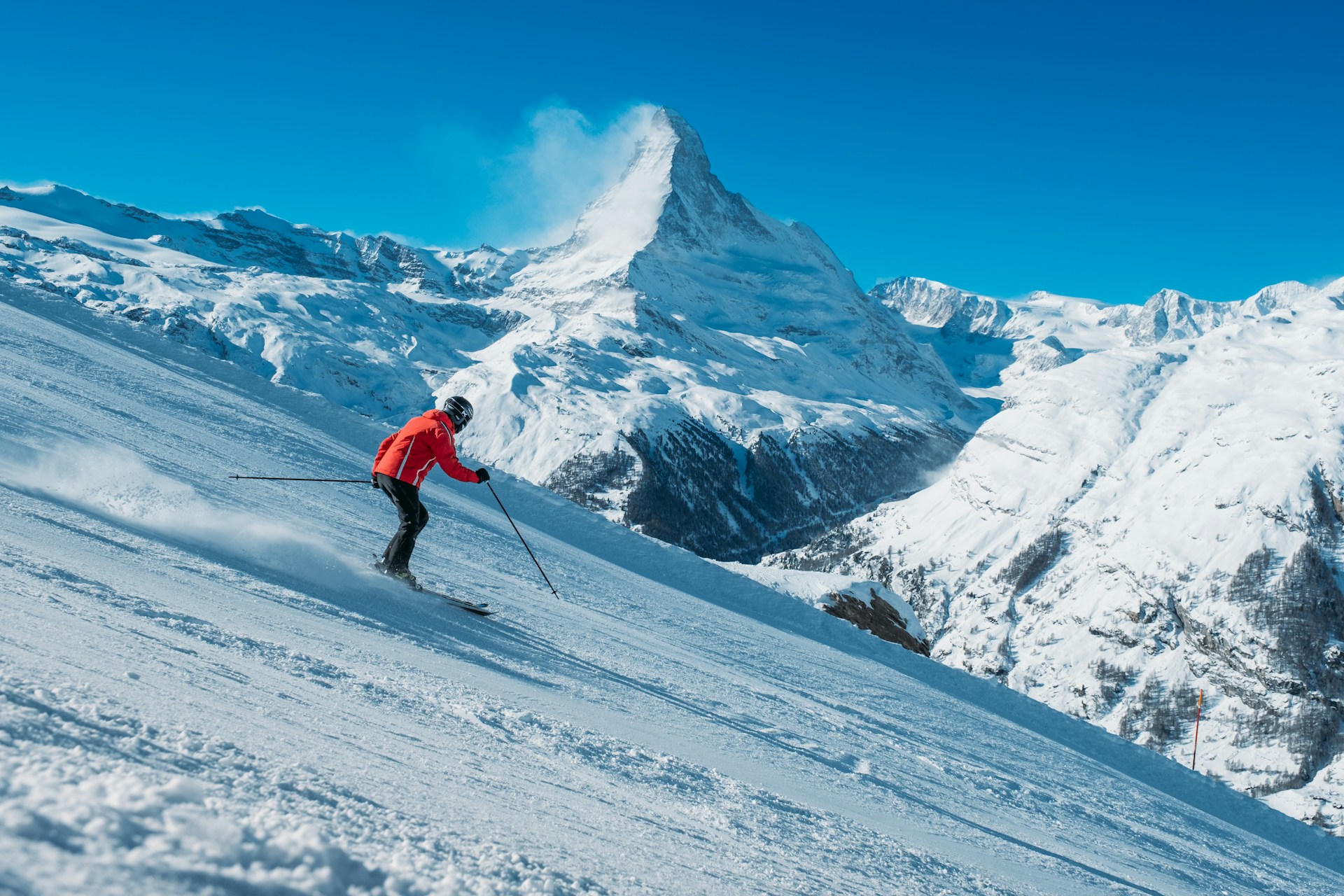
If your dream Swiss holiday involves snow-covered peaks, cozy mountain chalets and charming Christmas markets, winter could be the perfect time to visit.
From December through February, Switzerland becomes a popular destination for winter sports enthusiasts. Ski resorts throughout the Swiss Alps offer opportunities for skiing, snowboarding, snowshoeing and other snow activities. Popular mountain destinations such as St. Moritz, Zermatt and the Bernese Oberland are particularly appealing during this time of year.
December is one of the most magical times to visit Switzerland. Cities and towns are decorated for the festive season, Christmas markets fill historic squares and the smell of roasted chestnuts and seasonal treats fills the air.
Some of the best places to experience Christmas markets include:
- Zurich: Explore festive markets throughout the city, including the famous indoor Christmas market at the main train station.
- Basel: Discover one of Switzerland’s best-known Christmas markets, set among the city’s historic streets and squares.
- Montreux: Visit the lakeside Christmas market, where festive stalls and decorations create a beautiful atmosphere along Lake Geneva.
- Lucerne: Enjoy a traditional Christmas market surrounded by the city’s charming old town and historic architecture.
Of course, no winter trip to Switzerland would be complete without trying a traditional cheese fondue. Gather around a bubbling pot of melted Swiss cheese, dip in pieces of crusty bread and enjoy one of the country’s most beloved comfort foods.
January and February are excellent months for travellers looking to enjoy Switzerland’s ski resorts and winter sports. Many mountain destinations experience their best skiing conditions during this period, although snow conditions vary depending on the resort, altitude and weather. St. Moritz is one of Switzerland’s most famous winter destinations, known for its upscale resorts, winter sports and beautiful mountain scenery. Zermatt is another fantastic choice, offering access to the slopes beneath the iconic Matterhorn. February can be particularly busy due to European school holidays, so it’s worth booking accommodation and ski experiences in advance.
Travel tip: If skiing isn’t on your itinerary, consider visiting in early December or January after the holiday rush. You can still enjoy beautiful winter scenery and festive experiences, depending on the destination and seasonal operating schedules.
The Best Things to See and Do in Switzerland
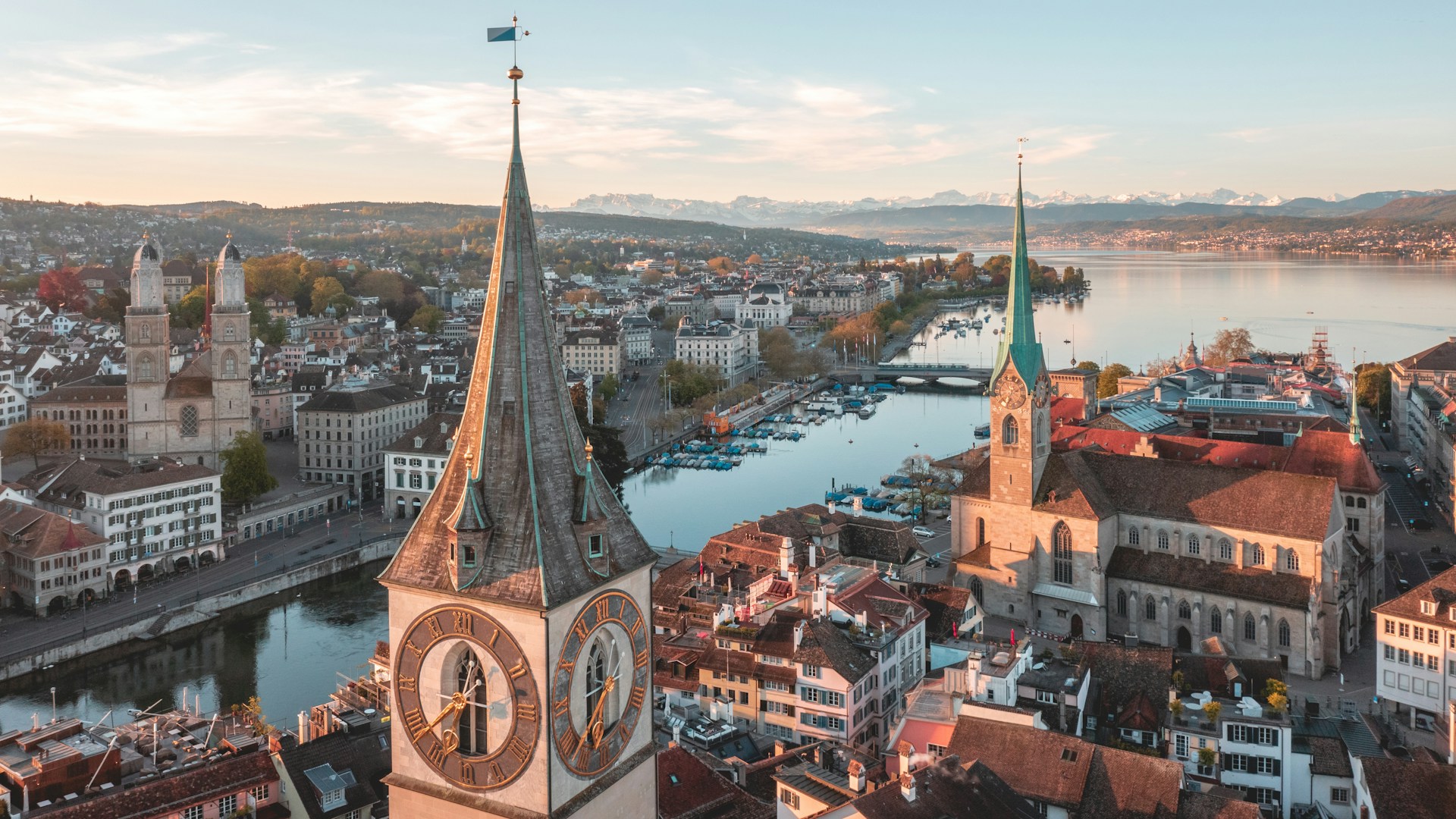
No matter which month you choose, Switzerland has plenty of unforgettable experiences to add to your itinerary. From scenic train journeys to mountain excursions and charming lakeside towns, here are some of the highlights worth exploring.
Explore the Bernese Oberland and Jungfrau Region
The Bernese Oberland is one of Switzerland’s most picturesque regions, known for its dramatic mountain scenery, traditional alpine villages and beautiful hiking trails. The Jungfrau Region is a particularly popular area to explore, with destinations such as Grindelwald, Wengen and Lauterbrunnen offering incredible views of the surrounding mountains.
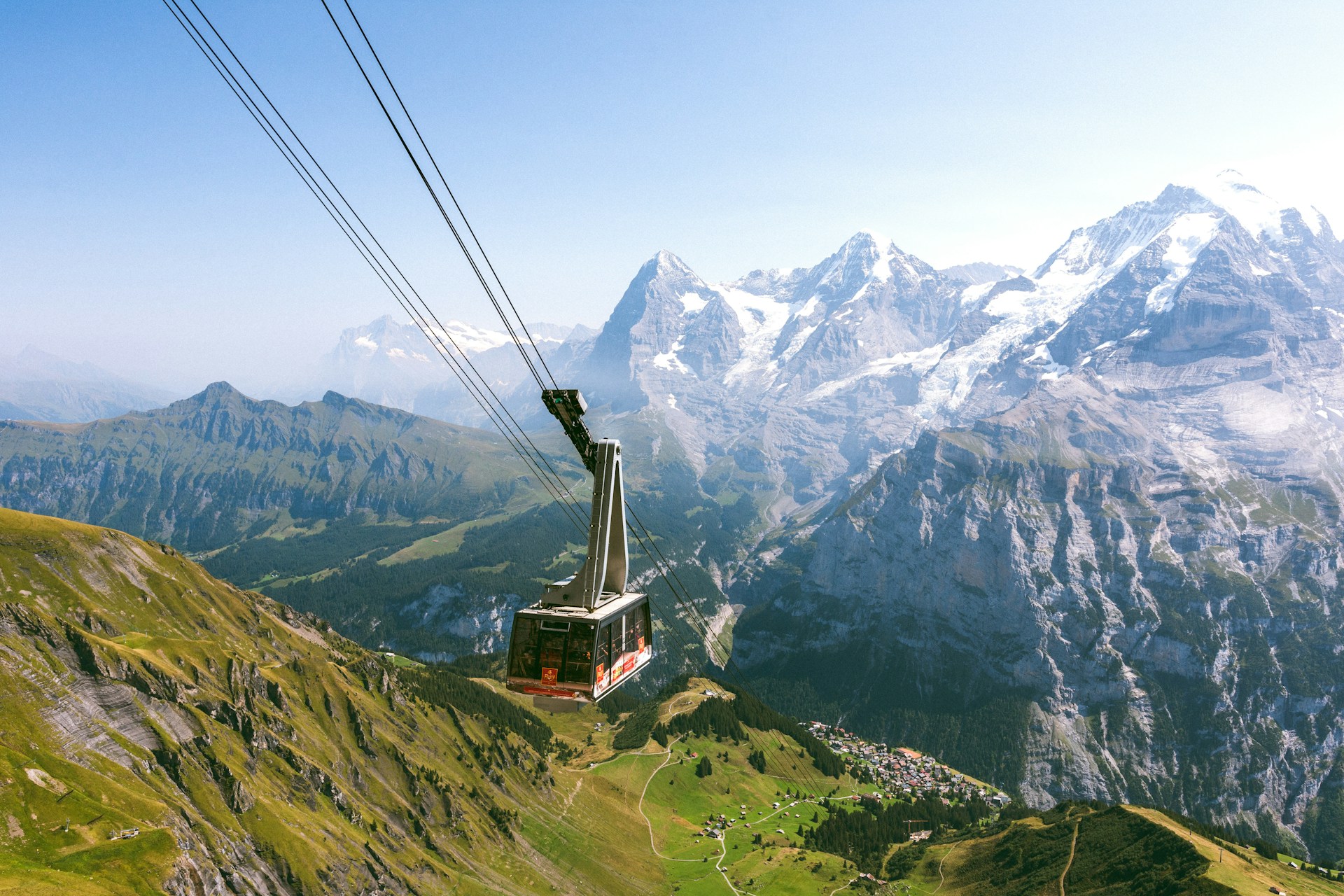
Take a cable car up into the mountains, explore scenic hiking trails or simply enjoy the views from a traditional mountain chalet. For an unforgettable excursion, consider visiting Jungfraujoch, often called the Top of Europe, where visitors can experience spectacular high-altitude scenery.
This region is especially beautiful during the summer months when alpine meadows are green and hiking opportunities are plentiful.
Discover Lake Lucerne
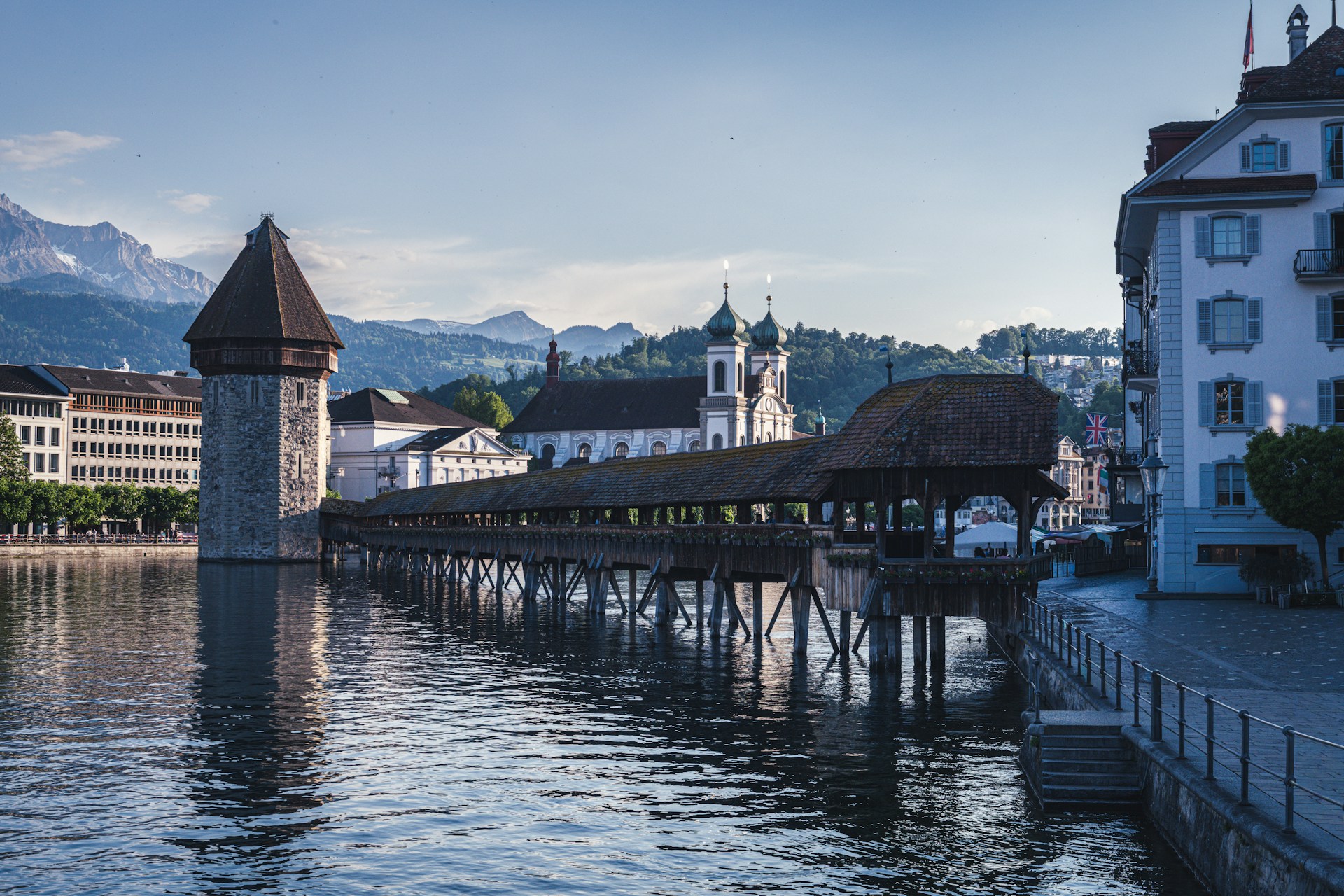
Surrounded by mountains and charming lakeside towns, Lake Lucerne is one of Switzerland’s most beautiful destinations. Spend some time exploring the historic city of Lucerne, walk across the famous Chapel Bridge and enjoy the waterfront scenery. You can also take a boat cruise across the lake to admire the surrounding mountain landscapes from the water.
For even more spectacular views, consider an excursion to Mount Pilatus or Mount Rigi. Both offer incredible panoramic scenery and opportunities to explore the surrounding mountain regions.
Visit Lake Geneva and Montreux
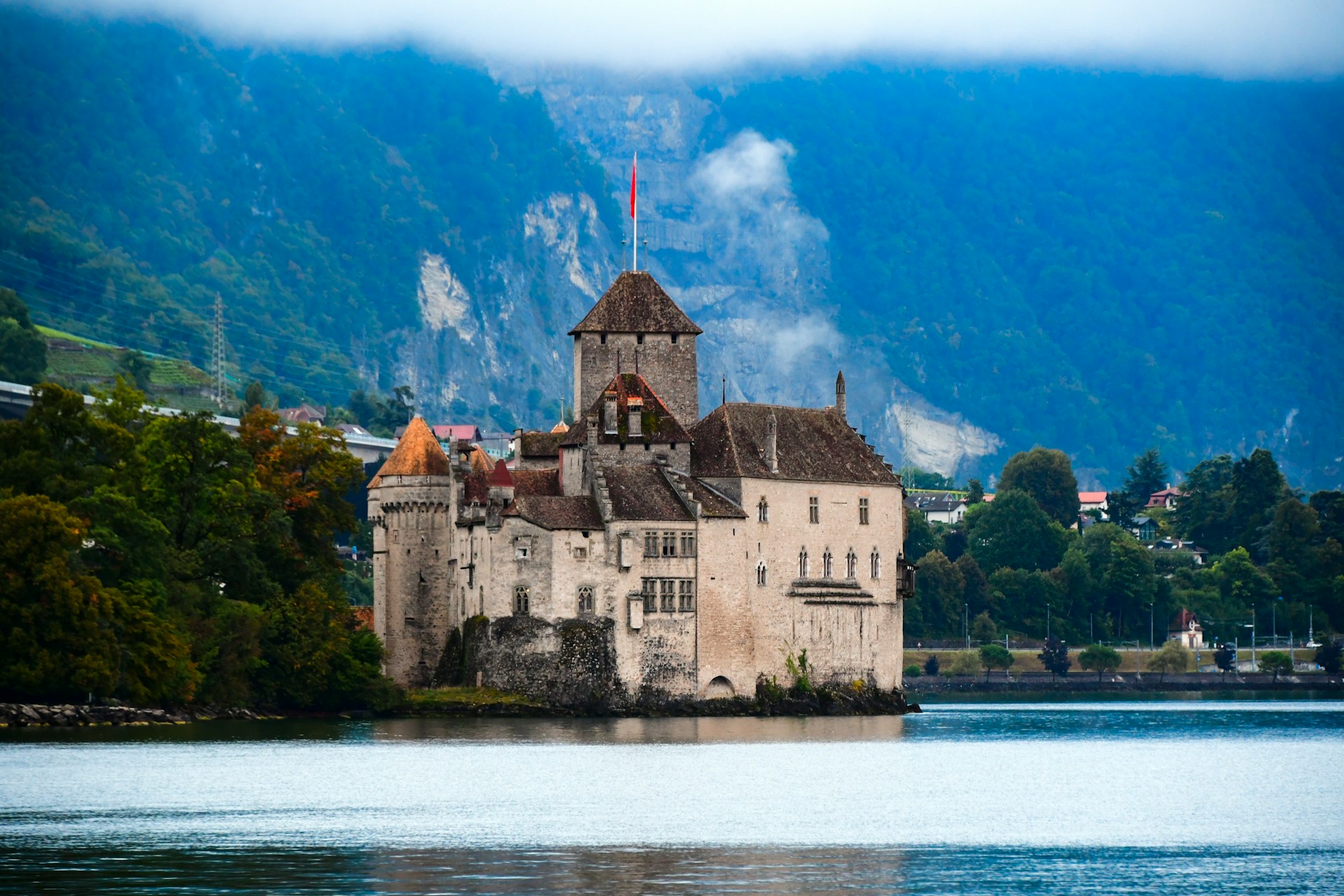
Located in southwestern Switzerland, Lake Geneva is a wonderful destination for combining scenic landscapes, culture and culinary experiences. The lakeside city of Montreux is particularly charming, with its waterfront promenade, mountain views and access to nearby vineyards.
If you’re visiting during the summer, consider planning your trip around the Montreux Jazz Festival.
Alternatively, autumn is a great time to explore the nearby Lavaux vineyards and enjoy a Swiss wine tasting overlooking the lake.
Another worthwhile stop is Chillon Castle, a historic lakeside castle that offers a fascinating glimpse into Switzerland’s past.
Experience the Swiss Alps by Scenic Train
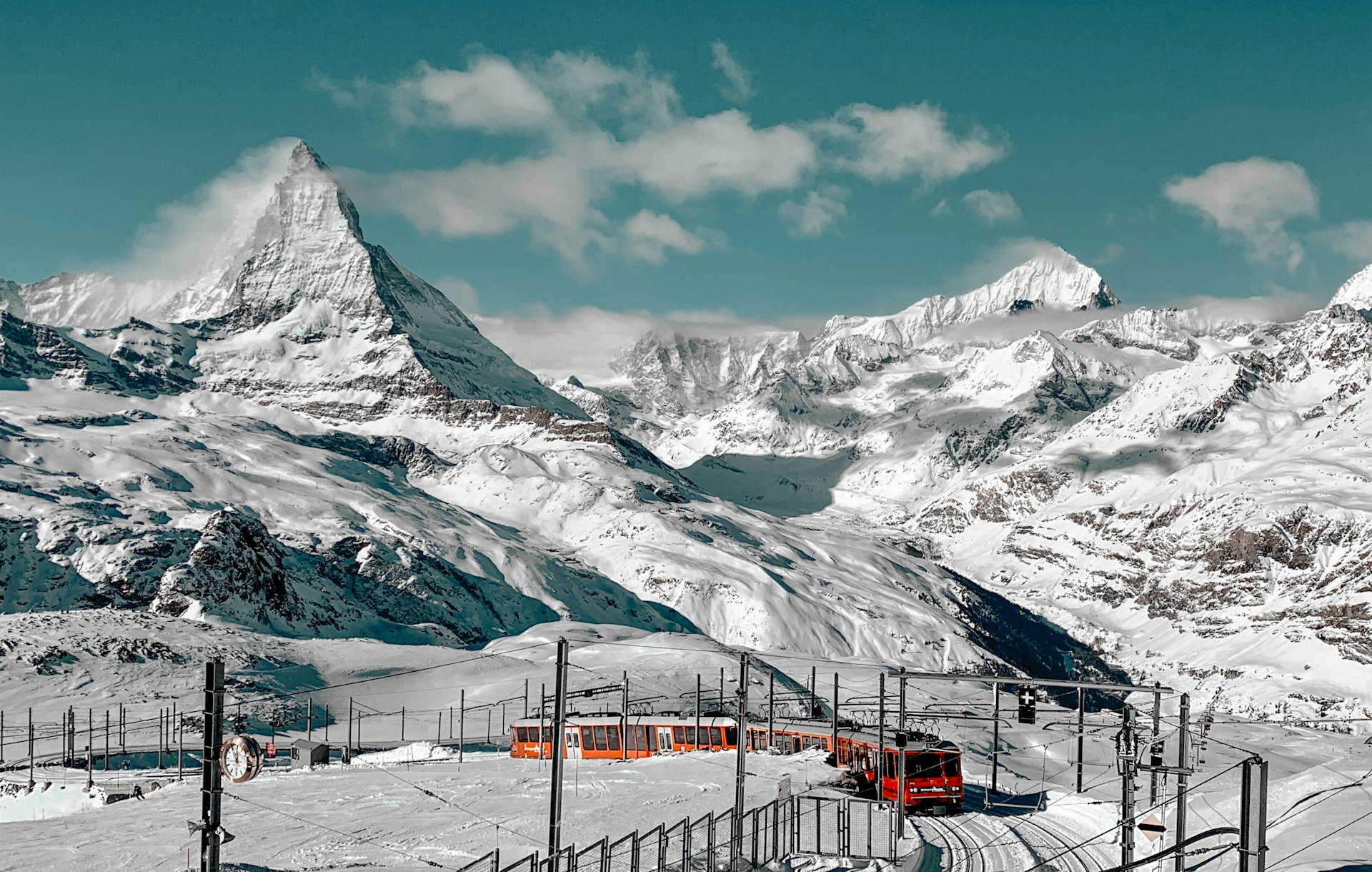
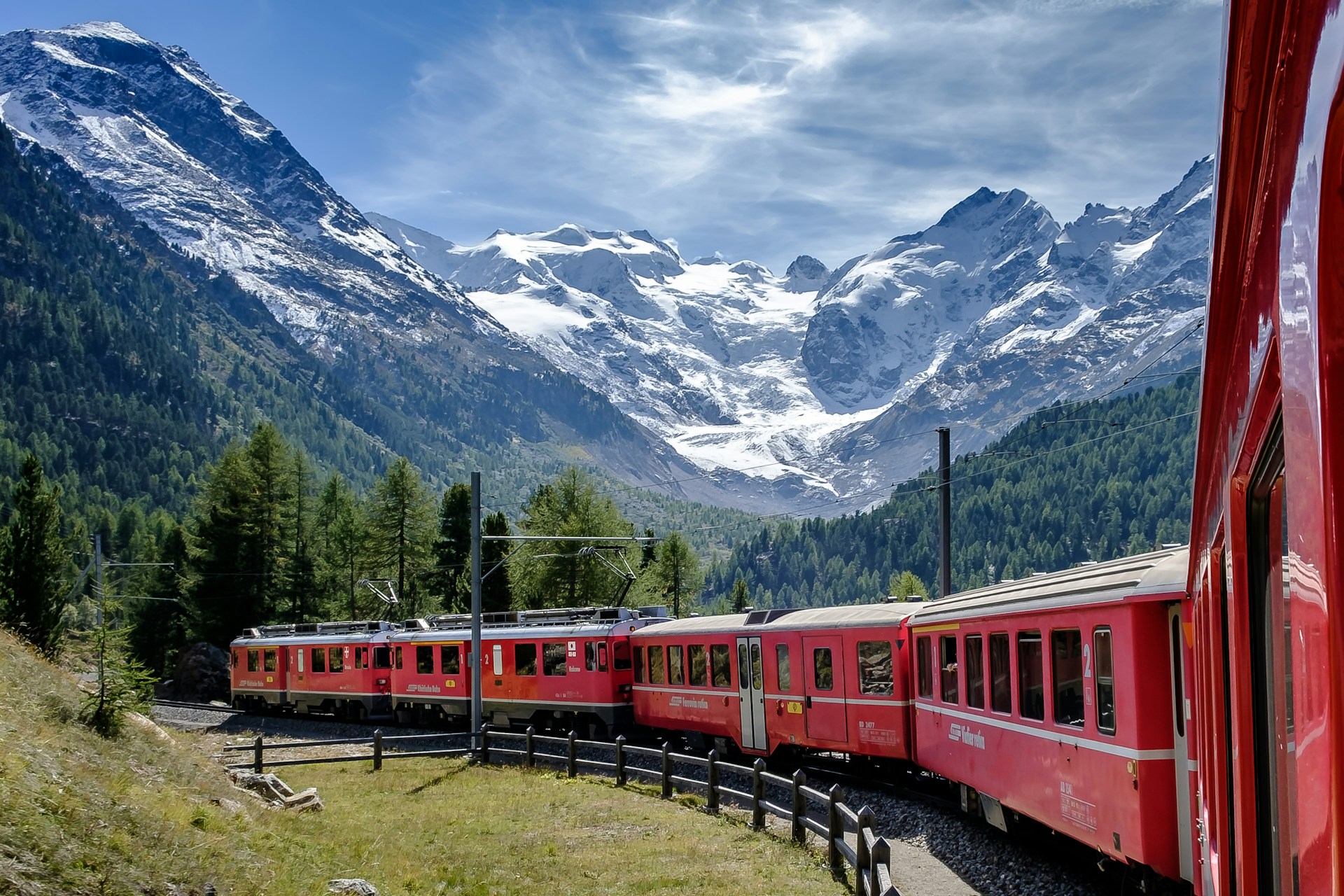
One of the best ways to experience Switzerland’s incredible scenery is by train. The country’s railway network connects many of its most beautiful destinations, making it easy to enjoy the landscapes along the way.
Two particularly memorable journeys include:
- Glacier Express: Travel between Zermatt and St. Moritz aboard one of Switzerland’s most famous panoramic trains. The journey takes passengers through spectacular mountain scenery, across impressive bridges and through picturesque valleys.
- Bernina Express: This scenic railway journey travels through the Swiss Alps, passing glaciers, mountain lakes and dramatic landscapes before continuing towards Tirano, Italy.
Both journeys are wonderful experiences in their own right, allowing you to enjoy the scenery without worrying about navigating mountain roads.
Travel tip: Consider the Swiss Travel Pass if you’re planning to explore multiple destinations. It offers unlimited travel on trains, buses and boats for selected travel periods, along with additional benefits and discounts. Keep in mind that some panoramic trains require separate seat reservations or supplements.
Explore Zurich and Bern
While Switzerland is famous for its mountain scenery, its cities are also well worth exploring. Zurich offers a wonderful mix of historic architecture, shopping, museums and lakeside scenery. Spend an afternoon wandering through the Old Town, enjoy a meal at a local restaurant or take a boat trip on Lake Zurich. Bern, Switzerland’s capital, is another fantastic destination. Its UNESCO-listed Old Town features historic buildings, charming streets, fountains and the famous Zytglogge clock tower.
Both cities are excellent additions to a Swiss itinerary, particularly if you’re looking to balance outdoor adventures with cultural experiences.
Travel Tips for Planning Your Switzerland Holiday
Once you’ve decided on the best month to visit Switzerland, a little preparation can go a long way towards making your holiday more enjoyable.
Pack for changing weather. Switzerland’s weather can vary significantly depending on the season and altitude. Even during summer, temperatures can be much cooler at higher elevations. Bring layers, comfortable walking shoes, sunscreen and a light rain jacket.
Plan mountain excursions in advance. Cable cars, mountain railways and hiking trails can operate on seasonal schedules. Check opening dates and local weather conditions before planning your day.
Consider travelling by train. Switzerland has an excellent public transport network, making it easy to travel between cities, towns and mountain destinations. Look into the Swiss Travel Pass to see whether it makes sense for your itinerary.
Book popular experiences ahead of time. During peak season and the winter holidays, accommodation, popular excursions and panoramic train reservations can fill up quickly.
Leave room for local food experiences. Don’t miss the opportunity to enjoy cheese fondue, raclette, Swiss chocolate and regional specialties. Food is an important part of experiencing Swiss culture!
So, What Is the Best Month to Visit Switzerland?
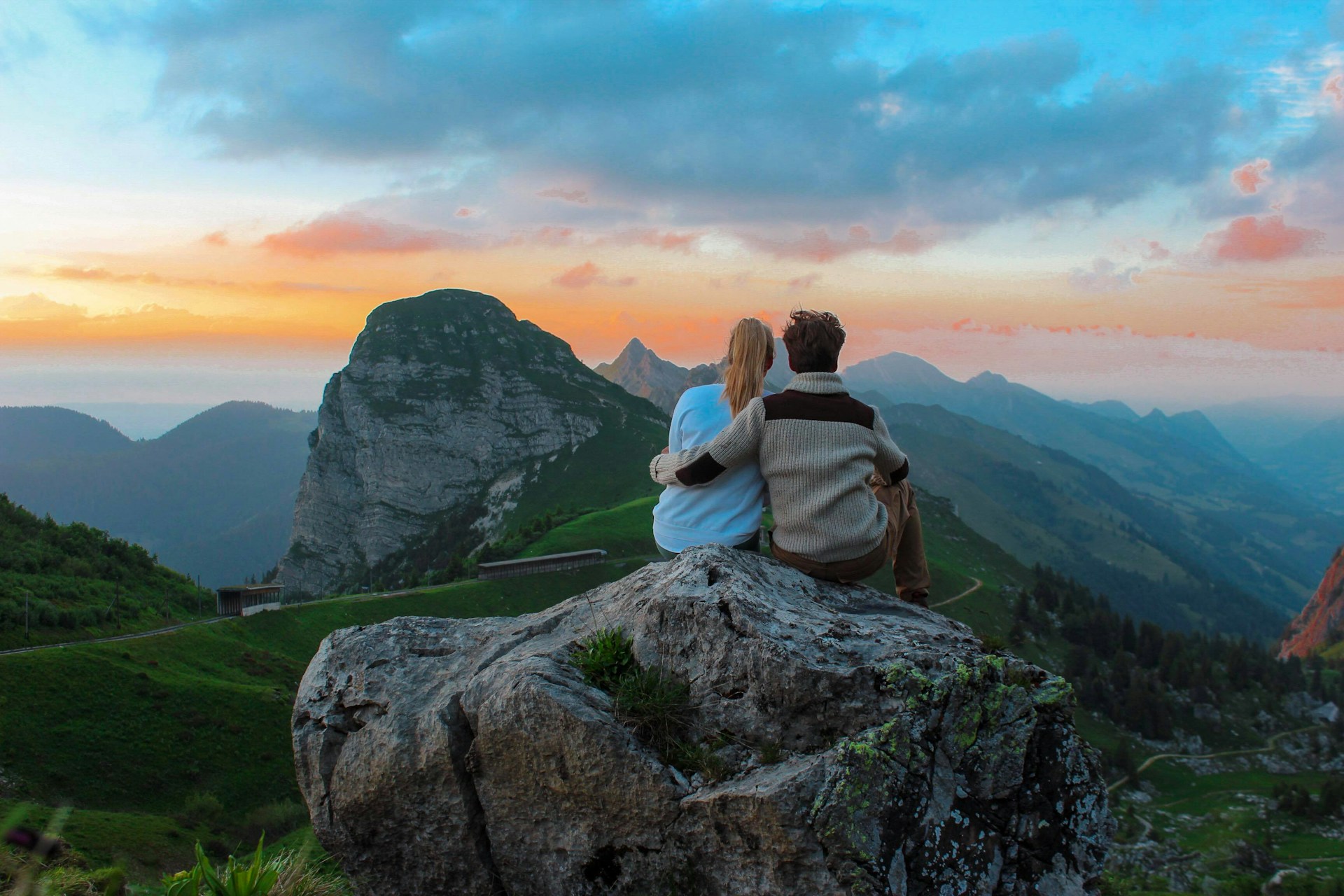
Ultimately, the best month to visit Switzerland comes down to the type of holiday you’re dreaming about.
If you’re looking for warm weather, beautiful alpine scenery and plenty of outdoor activities, June is an excellent choice. September is another fantastic option, offering pleasant temperatures, autumn scenery and fewer crowds. For winter sports and skiing, January and February are ideal months to consider, while December is perfect for travellers hoping to experience Switzerland’s magical Christmas markets and festive atmosphere.
No matter when you decide to go, Switzerland is a wonderful destination filled with unforgettable scenery, incredible experiences and charming places to explore.
READY TO START PLANNING YOUR SWISS ADVENTURE?
When you’re ready to book your next travel plans, contact one of our Tier One Travel consultants. They will find the perfect place for your next vacation and will craft something incredible that is suited to your unique needs and will make sure your travel plans are as stress-free as possible.
One call; endless experiences!