Vietnam is one of Southeast Asia’s most rewarding destinations, offering everything from historic cities and UNESCO World Heritage Sites to terraced rice fields, beautiful beaches, and a street food scene that rivals anywhere in the world. Because the country stretches over 1,600 kilometres from north to south, the best time to visit depends heavily on where you plan to go.
Vietnam has a tropical climate with distinct seasons, and weather patterns vary across the northern regions, central region, and southern regions. Understanding these differences is key to choosing the ideal time for your travel plans!
Understanding Vietnam’s Climate and Seasons

Vietnam experiences a monsoon season (generally from May to November but varies by region) influenced by shifting winds, with the southwest monsoon bringing heavy rainfall to much of the country. The year is generally divided into a dry season and a wet season, though the timing differs by region. Average temperatures, rainfall levels, and humidity fluctuate widely, meaning one part of the country may enjoy clear skies and sunny days while another experiences heavy rains.
Across the entire country, temperatures range from cooler weather in the far north during winter months to consistently warm weather in southern Vietnam year-round. Careful planning helps ensure good weather for outdoor activities, sightseeing, and beach time, especially during peak tourist season.
Best Time to Visit Northern Vietnam

Northern Vietnam, including Hanoi, Ha Long Bay, Ninh Binh, and the northern mountains near the far north, has a more temperate climate than the rest of the country. This region experiences cooler temperatures in winter and higher humidity in summer.
The best months to visit northern Vietnam are typically from late January through early April and again from early October through November. During these periods, travellers can expect mild temperatures, dry days, blue skies, and little rain. Spring is a particularly great time to explore North Vietnam, with pleasant weather ideal for cruising Ha Long Bay, visiting Ninh Binh’s limestone landscapes, or hiking among terraced rice fields in the northern regions.
Summer, from May through late August, brings high temperatures, heavy rainfall, and occasional storms. August is often the wettest month, and water levels can rise quickly, making some outdoor activities more challenging. While this is not necessarily a bad time to visit, it is considered the worst time for travellers seeking dry weather and clear skies. Winter months, especially December and January, can be surprisingly cold in the north of Vietnam, with the coldest month bringing cooler temperatures and occasional drizzle.
Check Out These Incredible Vietnam Tours
Best Time to Visit Central Vietnam
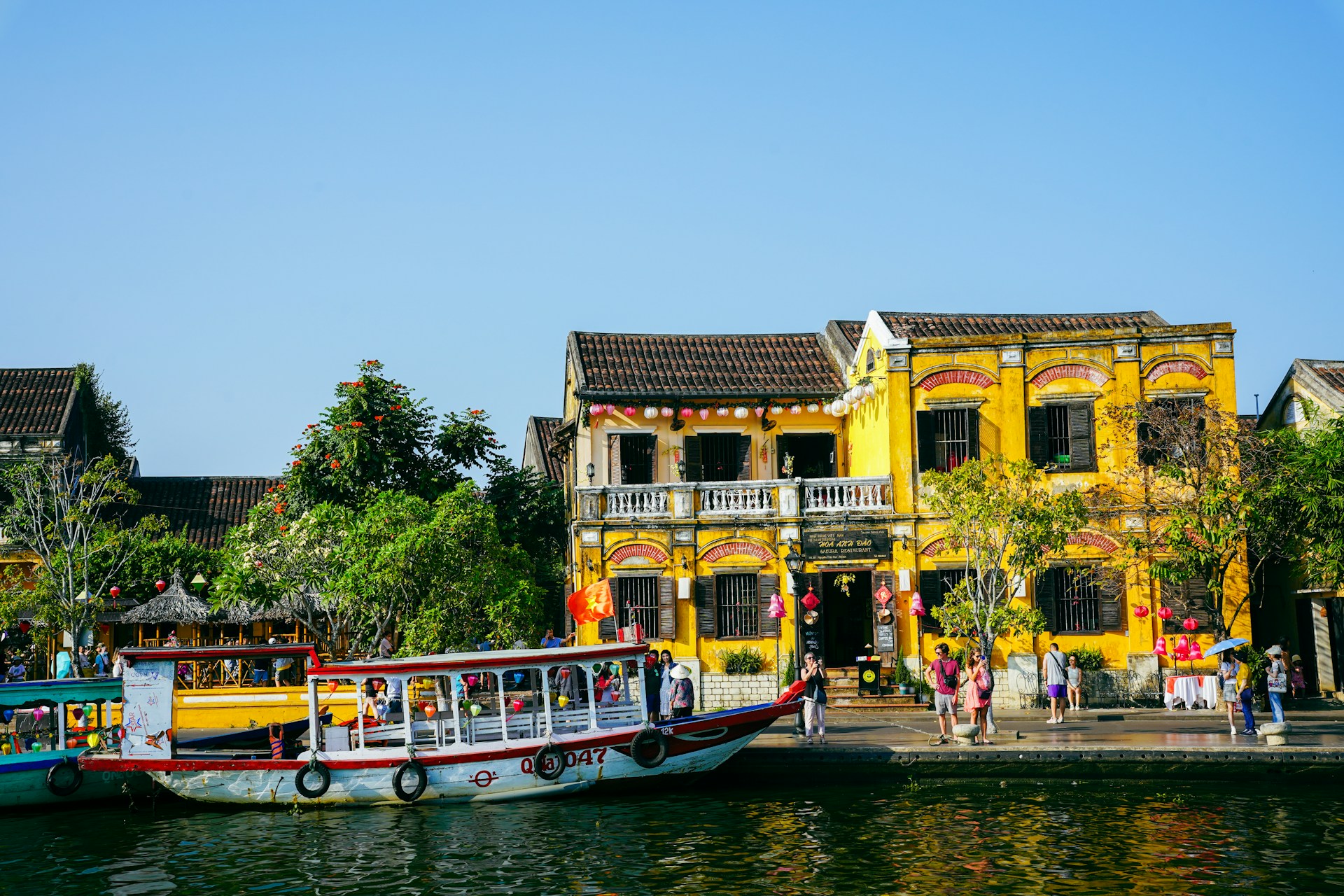
Central Vietnam includes popular destinations such as Da Nang, Hoi An, Nha Trang, and the Central Highlands. This central region has its own unique weather patterns, influenced by the monsoon season and typhoon season.
The best time to visit Central Vietnam is generally from February through early October. During these months, travellers enjoy sunny weather, dry days, and moderate temperatures along the central coast. Hoi An, a UNESCO World Heritage Site, is especially enjoyable during this time of year, with sunny days perfect for walking its historic streets and visiting nearby beaches.
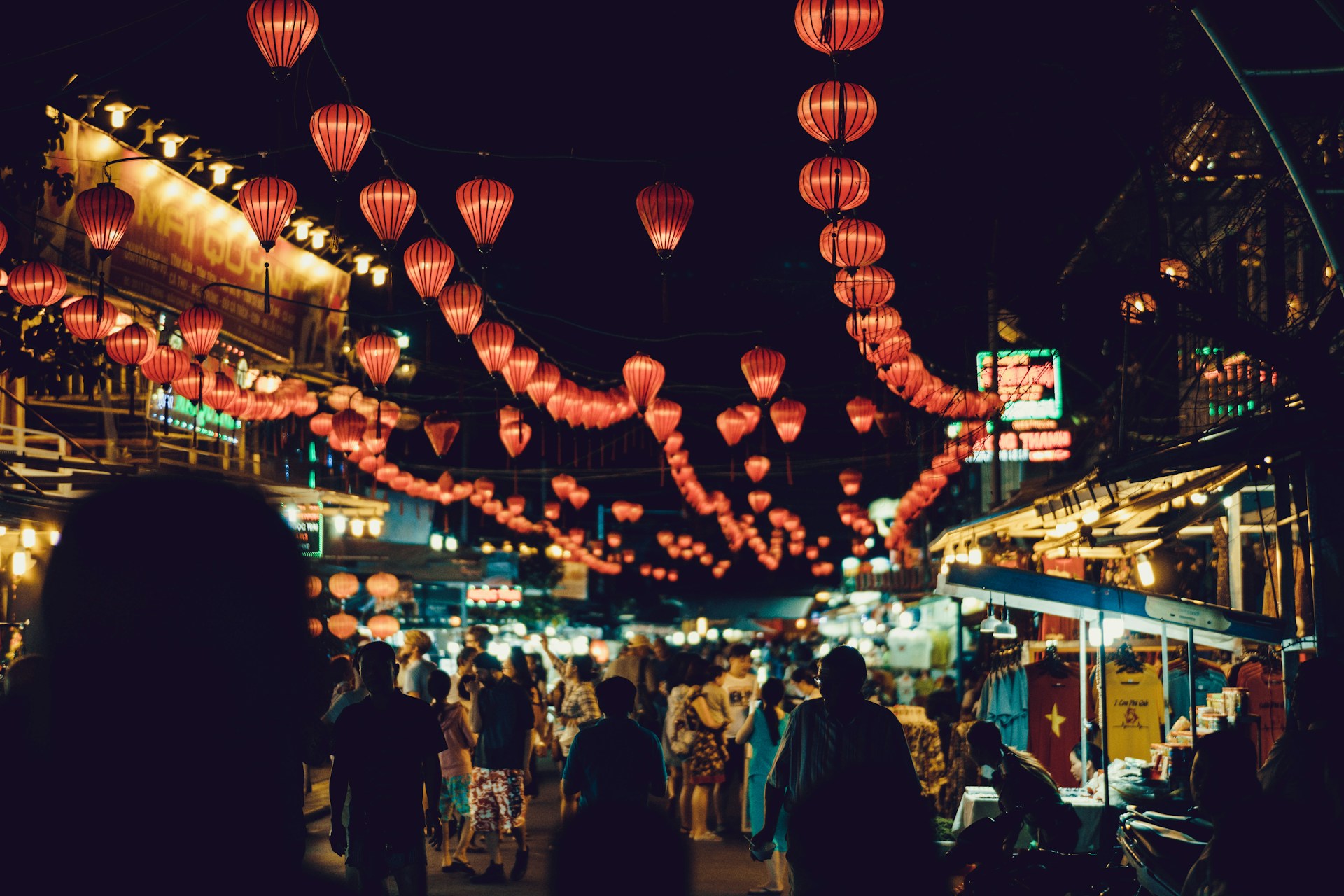
The Lantern Festival in Hoi An, held monthly during the full moon, is one of the region’s most memorable cultural events. Experiencing it during the dry season allows visitors to enjoy the atmosphere without heavy rainfall.
From late October through December, Central Vietnam often experiences heavy rains and occasional typhoons. This period is considered the wet season, and flooding can occur, particularly in low-lying areas. While Nha Trang is slightly drier than other parts of the central coast, this is generally a less ideal time for beach-focused travel plans.
Best Time to Visit Southern Vietnam
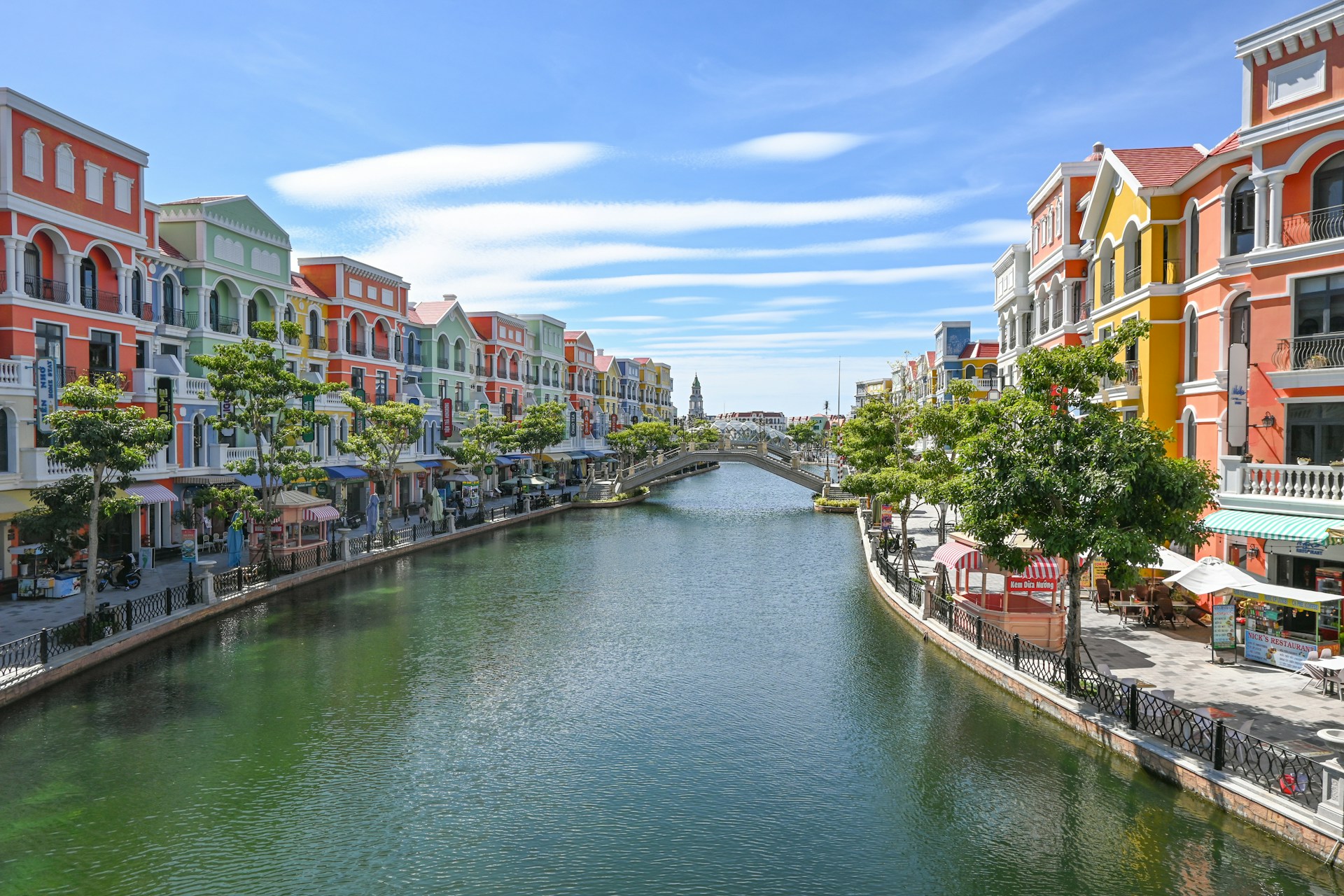
Southern Vietnam, including Ho Chi Minh City, the Mekong Delta, Phu Quoc Island, and Con Dao, has a consistent tropical climate with warm temperatures throughout the year. Unlike the north, temperature changes are minimal, but rainfall plays a major role in determining the best seasons to visit.
The dry season in southern Vietnam runs from December through April and is widely considered the perfect time to visit. During these months, travellers can expect sunny weather, clear skies, and good weather for exploring Ho Chi Minh City, cruising the Mekong Delta, or relaxing on the beaches of Phu Quoc Island and Con Dao. This period also aligns with peak season, bringing more visitors and higher prices.
The wet season, from May through November, brings heavy rainfall, particularly during late August and September. While downpours are often short, humidity is high, and some rural areas may be affected by rising water levels. That said, the rainy season can still be a good time to visit for those seeking fewer crowds and lower costs, especially in urban areas.
Festivals, Culture, and the Best Time for Events
Vietnam’s cultural calendar plays an important role in determining the best time to travel. Vietnamese New Year, also known as Lunar New Year or Tet, typically falls in late January or early February. This is one of the most significant cultural events in the whole country, marked by family gatherings, festivals, and celebrations.
While Tet (celebrates the arrival of spring) offers a fascinating glimpse into local culture, it also brings busy transport, closures, and peak tourist season pricing. Travellers visiting during this time should plan well in advance.
Another highlight is the Mid-Autumn Festival, usually held in September or early October. Celebrated with lanterns, mooncakes, and family gatherings, it is a wonderful time to experience Vietnamese traditions, particularly in cities like Hoi An and Hanoi.
Shoulder Season vs Peak Season

The shoulder season, typically in April–May and September–October, can be an ideal time for travellers who want good weather without peak season crowds. During these months, temperatures are still comfortable, and there are often dry days mixed with occasional rain. Fewer tourists mean better availability at popular destinations and a more relaxed pace of travel.
Peak tourist season generally runs from December through March, especially in southern regions and Central Vietnam. This period offers the best weather across much of the country but also comes with higher demand and busier attractions.
Must-See Places Across Vietnam
Vietnam offers a wide range of experiences, from mountain landscapes and historic towns to coastal cities and river regions. Each destination shines at a different time of year, making it possible to shape your trip around both interests and seasonal conditions.
Ha Long Bay

Ha Long Bay is one of Vietnam’s most recognizable landmarks and a UNESCO World Heritage Site, best known for its limestone formations and calm waterways. The best time to visit is during the dry season in spring and fall, when clear skies and mild temperatures create ideal conditions for cruising, kayaking, and overnight stays on the bay. Summer can bring heavy rains, while winter offers cooler temperatures and quieter waters.
Hanoi
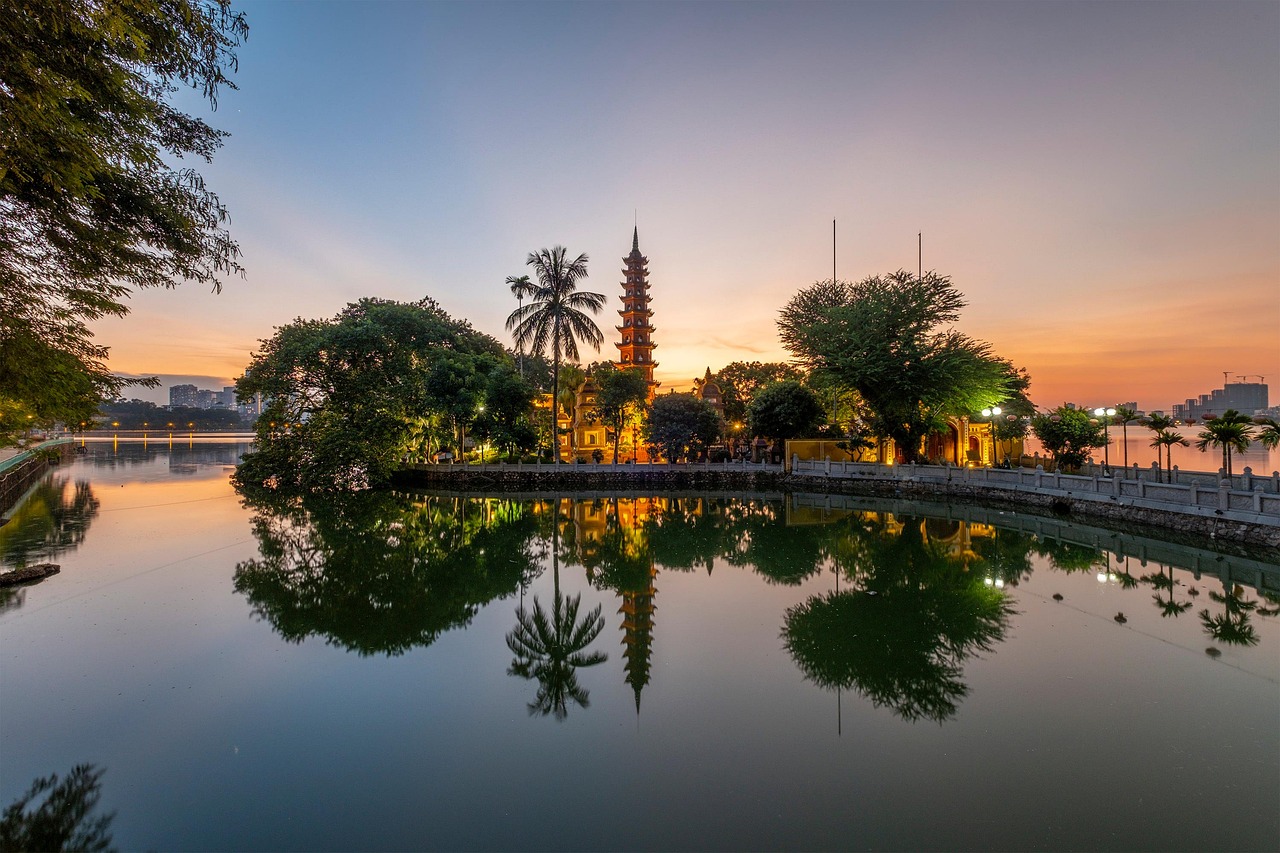
Hanoi is the cultural heart of northern Vietnam, where historic temples, old quarters, and street food stalls define daily life. Late January through April and early October are considered a good time to visit, with cooler temperatures and pleasant weather suited for walking tours and sightseeing. These months balance comfortable conditions with fewer weather disruptions.
Sapa and the Northern Mountains
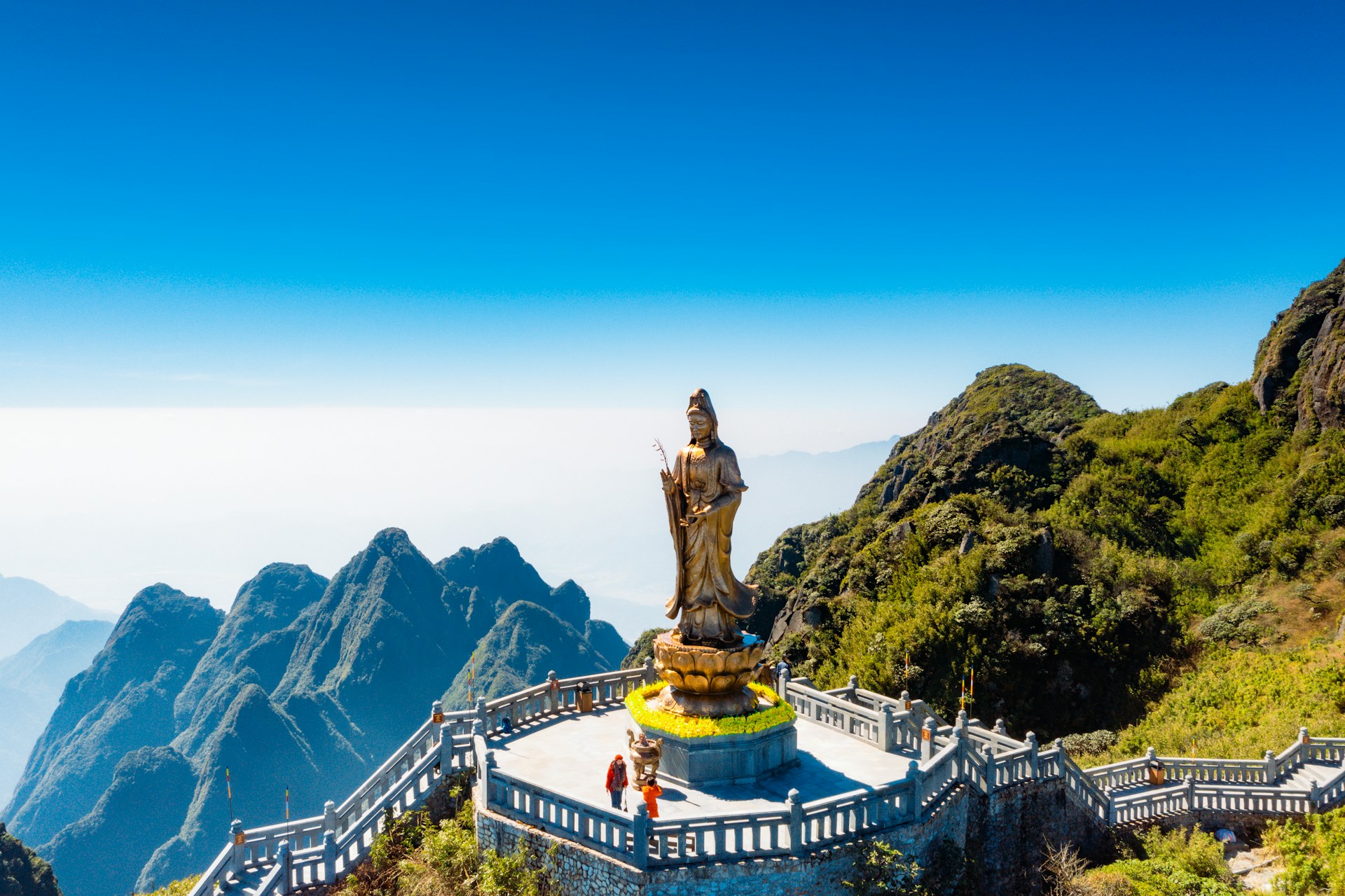
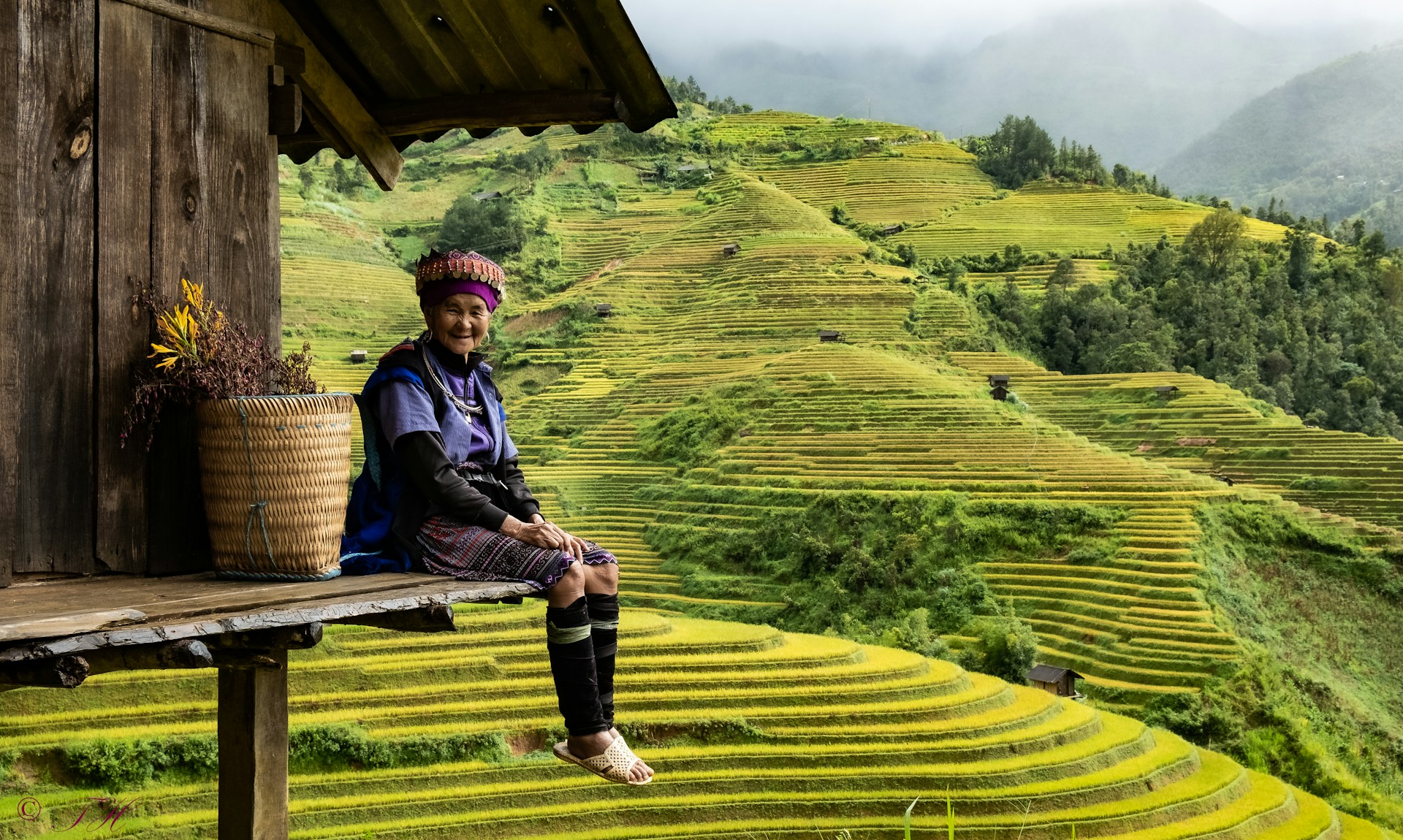
Sapa stands out for its terraced rice fields, mountain scenery, and traditional villages. The harvest season from late August to early October is one of the best times to visit, when the fields turn golden and trekking conditions are generally favourable. Spring is also popular for its mild temperatures and clearer views, while winter can be cold and foggy.
Ninh Binh

Ninh Binh is known for its inland limestone landscapes, river boat rides, and rural scenery. Spring and early autumn are the ideal times to visit, offering dry days and moderate temperatures for cycling and exploring the countryside. During these seasons, water levels are manageable, and the scenery is especially lush.
Hoi An
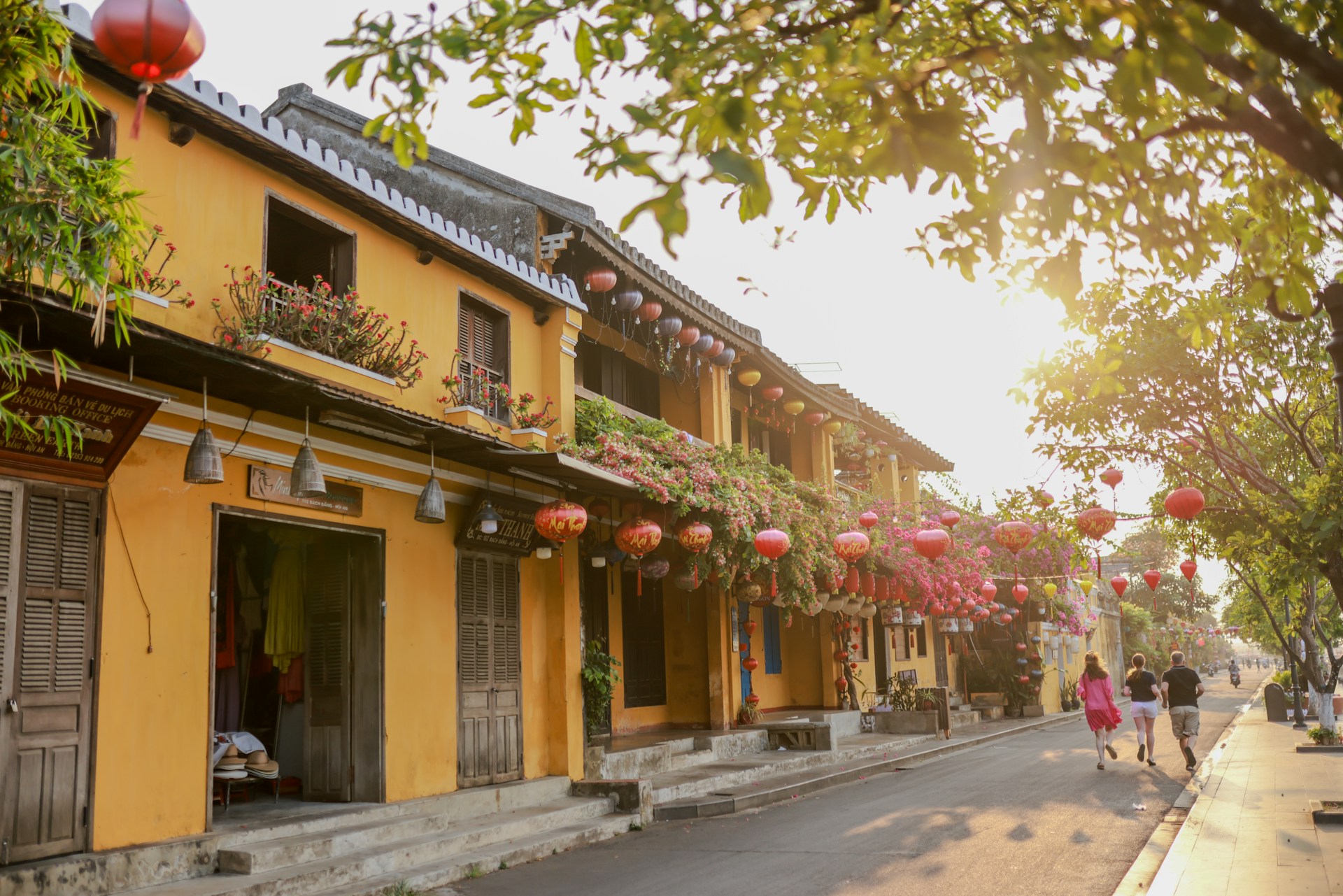
Hoi An combines preserved architecture, riverside charm, and local traditions, making it one of Vietnam’s most memorable historical towns and a great place to get clothes custom-made. The best time to visit is from February through early October, when dry weather and sunny days suit walking tours, lantern-lit evenings, and nearby beach trips. Visiting during the monthly Lantern Festival adds a cultural highlight to the experience.
Da Nang

Da Nang offers easy access to beaches, cultural landmarks, and nearby heritage sites. March through August is considered a great time to visit, with sunny weather ideal for outdoor activities and coastal exploration. Its location along the central coast makes it a convenient base for exploring the region when conditions are dry.
Ho Chi Minh City

Ho Chi Minh City reflects Vietnam’s modern energy alongside its past, with markets, museums, and vibrant street life. The dry season from December to April is the best time to visit, with sunny days and lower humidity making sightseeing more comfortable. Even during the wet season, the city remains lively and accessible.
The Mekong Delta
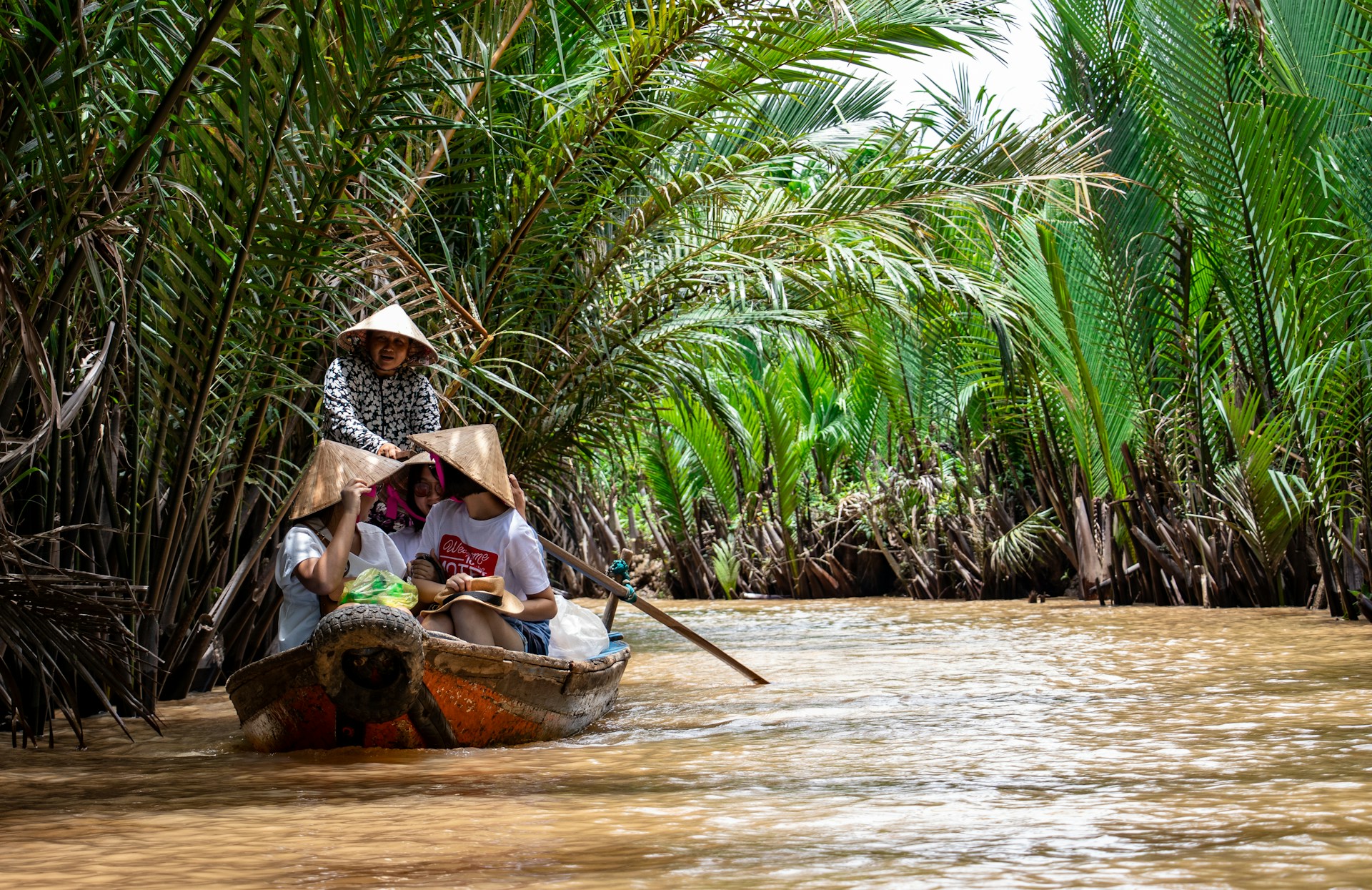
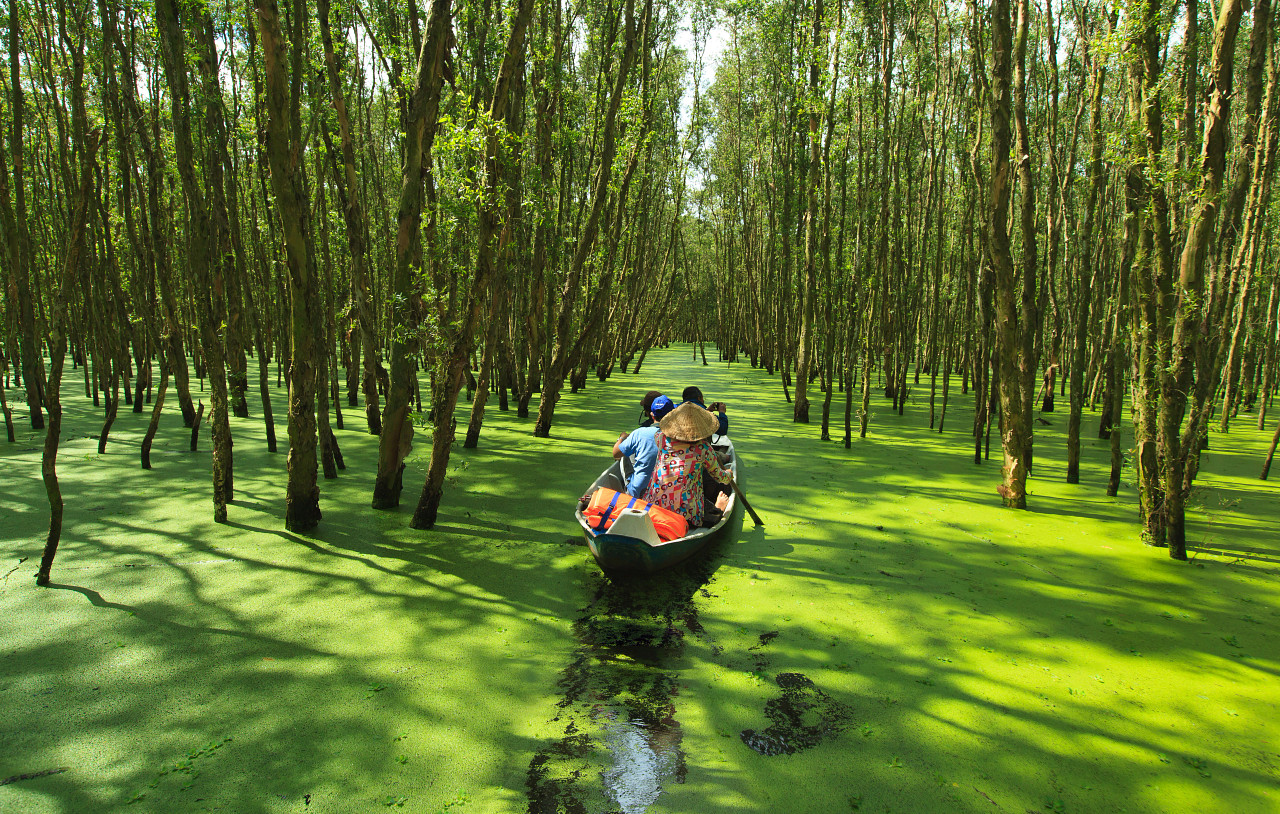
The Mekong Delta offers insight into life shaped by rivers, agriculture, and floating markets. The dry season is the ideal time to visit, as water levels are easier to navigate, and travel between towns is more reliable. This region is especially rewarding for travellers interested in local culture and rural experiences.
Beach Destinations: Nha Trang and Phu Quoc Island
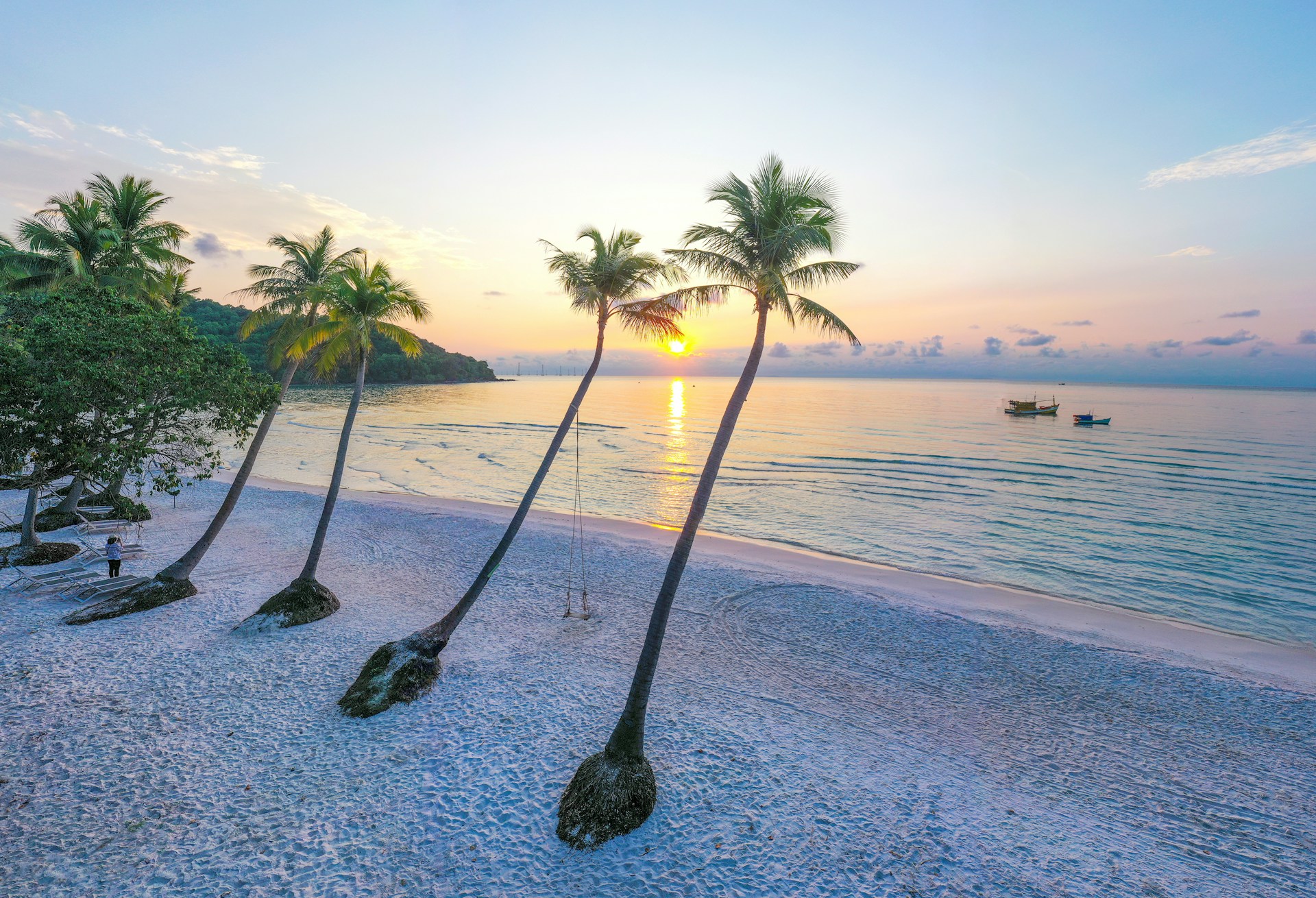
Nha Trang and Phu Quoc Island are among Vietnam’s top beach destinations. Both are best visited during the dry season, when sunny weather and calm seas are ideal for swimming and relaxation. Phu Quoc Island is particularly popular during peak season for travellers seeking warm weather and laid-back beach time in resorts.
So, When Is the Best Time to Travel to Vietnam?
The best time to travel to Vietnam ultimately depends on where you’re going and what you want to experience. For the best weather across most regions, late January through April and early October through November are often ideal. These periods balance pleasant weather, moderate temperatures, and fewer crowds.
While there is no single perfect time for the entire country, understanding Vietnam’s distinct seasons allows travellers to plan smarter and enjoy the best of what this diverse destination has to offer. With careful planning, Vietnam is a destination that rewards visitors year-round, offering unforgettable scenery, incredible street food, and a deep connection to local culture no matter the time of year.
READY TO EXPLORE VIETNAM?
When you’re ready to book your next travel plans, contact one of our Tier One Travel consultants. They will find the perfect place for your next vacation and will craft something incredible that is suited to your unique needs and will make sure your travel plans will be as stress-free as possible.
One call; endless experiences!