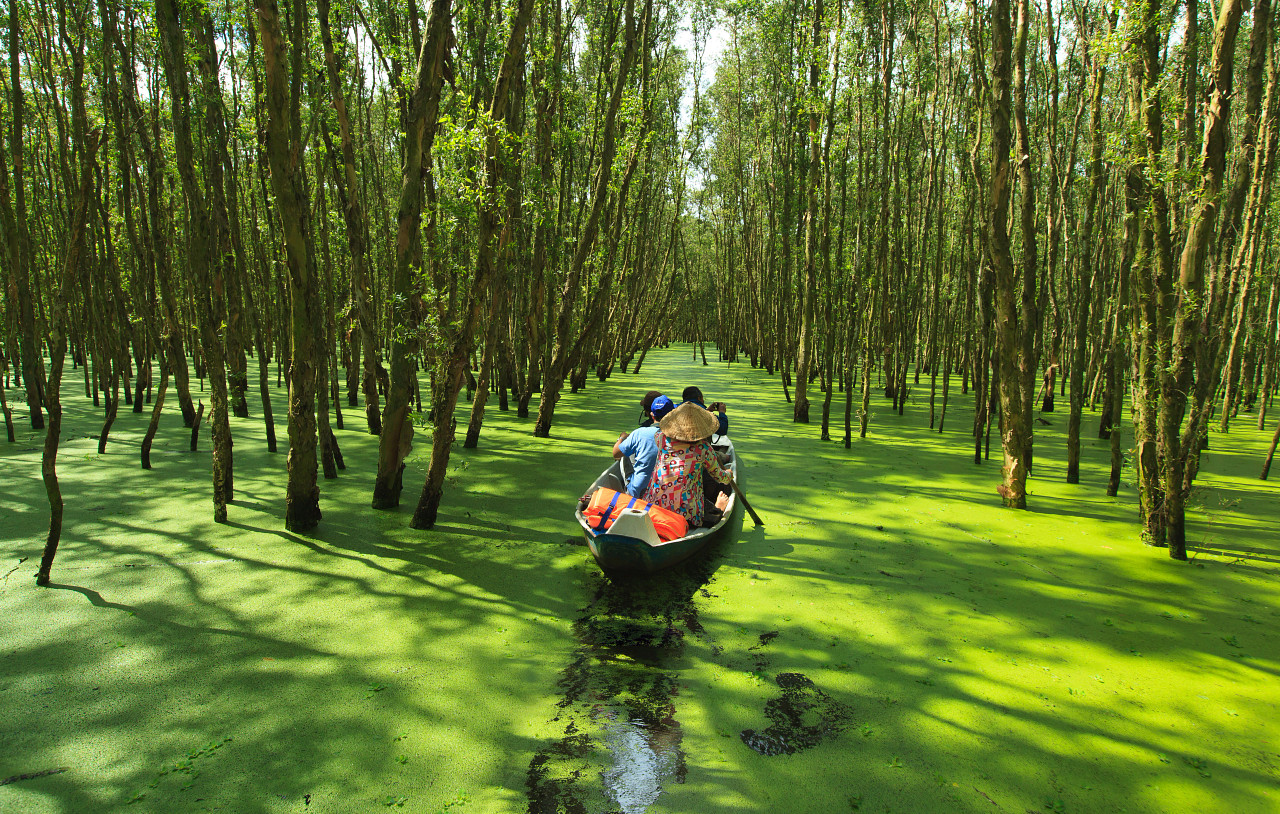
China’s vast territory stretches from the grasslands of Inner Mongolia in the north to the subtropical landscapes of southern China, and from the coast of east China to the snow-capped mountains of southwest China. With thousands of years of Chinese history, world-famous landmarks, and unforgettable natural beauty, it remains one of the most compelling destinations for curious travellers.
For Canadians, visiting mainland China is straightforward. In 2026, Canadian passport holders can travel visa-free for up to 30 days for tourism, business, transit, or family visits. Your passport must be valid for the duration of your stay, and longer visits, work, or study require the appropriate visa. As with any international trip, review current entry information before departure and ensure you follow local laws while travelling.
Must-Visit Places in China
Beijing

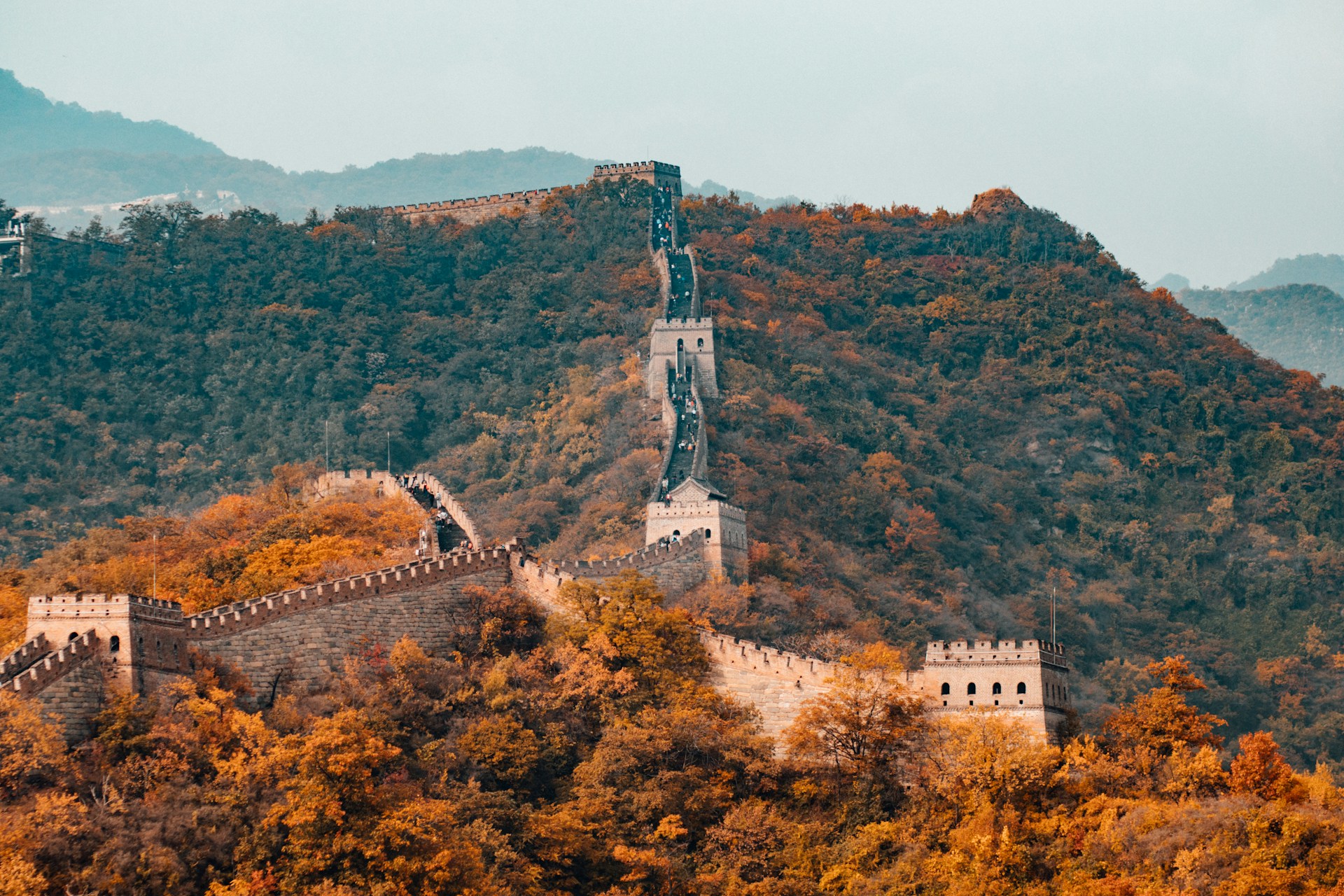
As China’s capital in northern China, Beijing delivers some of the country’s most powerful first impressions. Walking along the Great Wall of China, one of the New Seven Wonders of the World and a UNESCO World Heritage Site, is a bucket-list moment for many travellers. Inside the city, the vast courtyards of the Forbidden City reveal the legacy of the Ming and Qing dynasties, while Tiananmen Square and the Temple of Heaven add layers of historical significance.
Beijing balances grand imperial architecture with modern life, and no visit feels complete without trying Peking duck, one of the city’s most celebrated local cuisine traditions.
Check Out These Incredible Tours in China
Xi’an
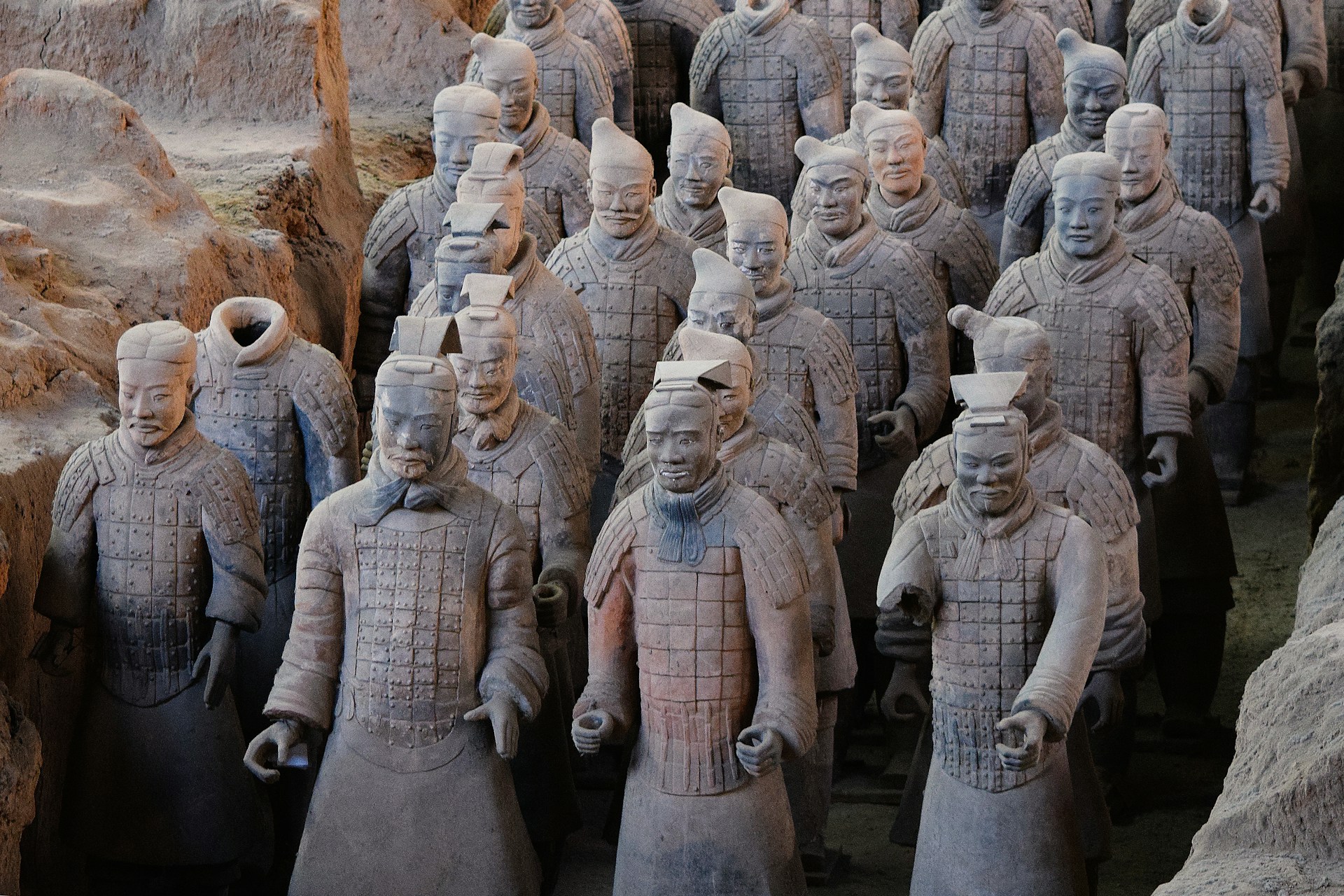
In north-central China, Xi’an stands as a gateway to the ancient Silk Road. Its most famous treasure, the Terracotta Army, was created to guard the tomb of the First Emperor of China and remains one of the world’s most extraordinary archaeological discoveries. The city’s ancient walls, lively markets, and deep roots in Chinese history make it a great place to connect with the country’s past.
Shanghai
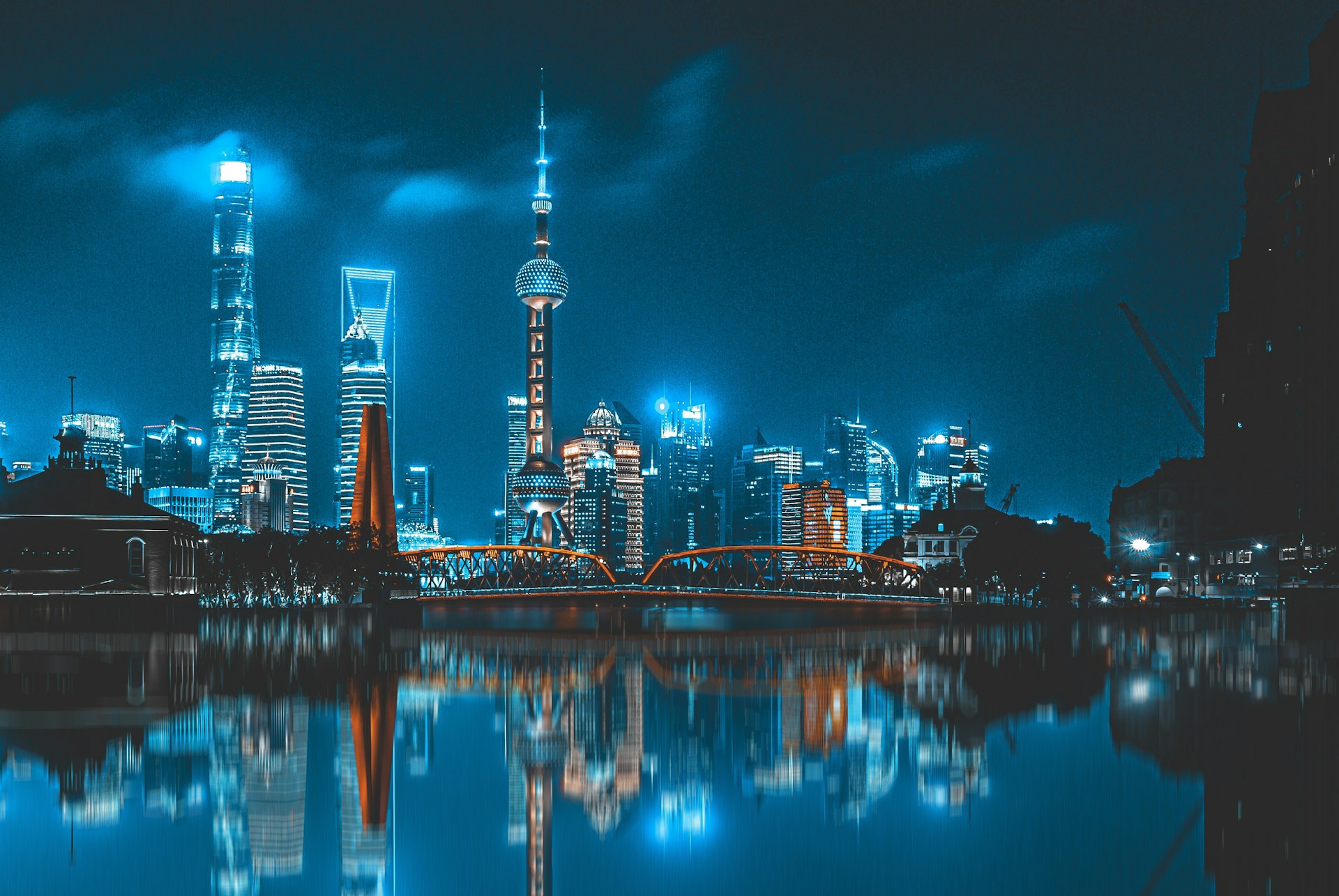
In east China, Shanghai showcases modern architecture rising above the Huangpu River while colonial-era buildings line the historic Bund. As one of China’s major cities, it offers panoramic skyline views, world-class dining, and a fast-paced energy that reflects contemporary Chinese culture. A river cruise at night is often considered the best way to appreciate the city’s illuminated skyline.
Guilin and Yangshuo
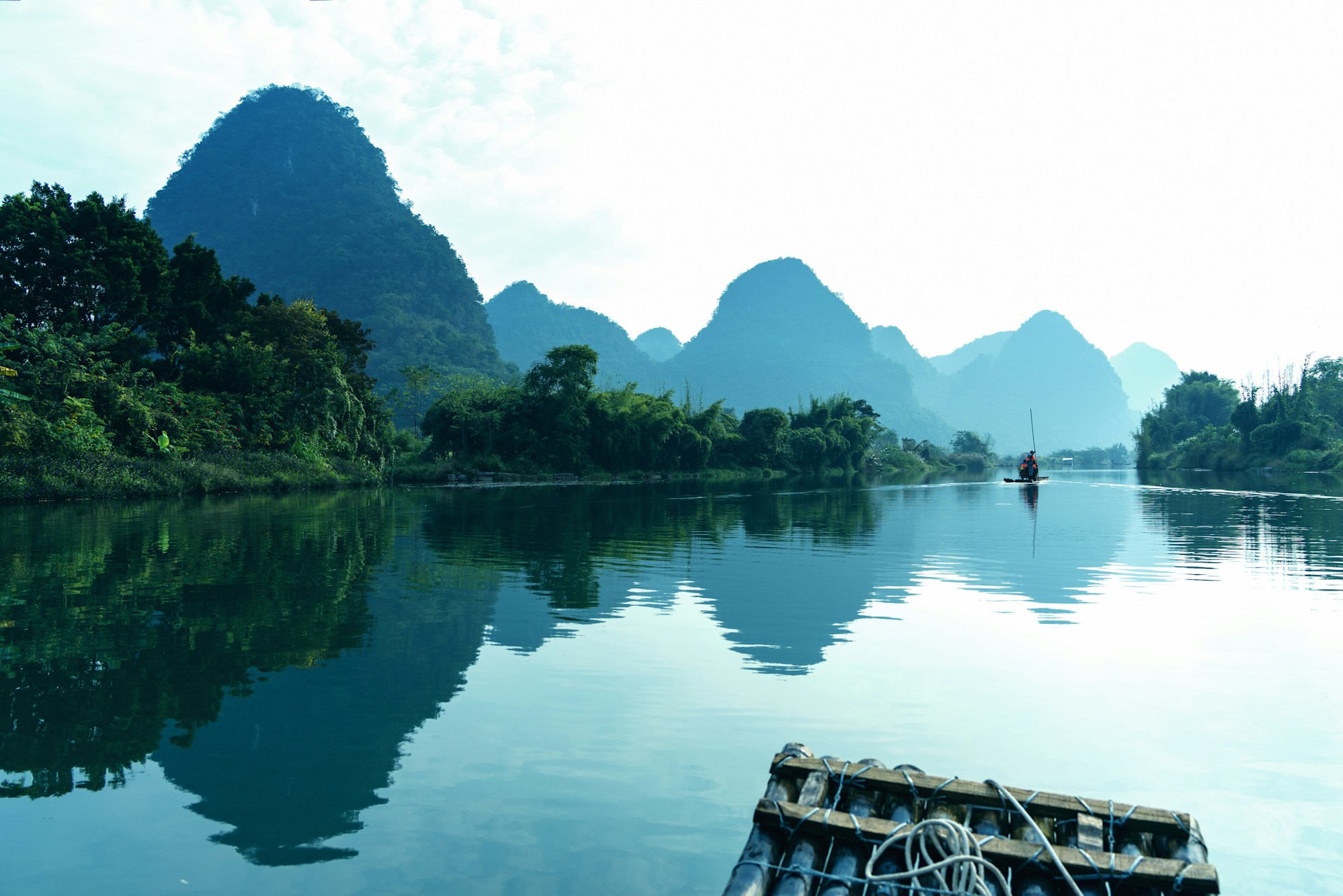
Guangxi Province, southern China, reveals some of the most beautiful places in the country. The region surrounding Guilin is famous for its dramatic karst peaks and peaceful countryside.
A cruise along the Li River offers ever-changing views of limestone formations rising sharply from the water, creating some of China’s most recognizable landscapes. The nearby town of Yangshuo provides a relaxed atmosphere where travellers can cycle through rural paths, explore small towns, and enjoy the slower pace of life. Not far away, the Longji Rice Terraces cascade across hillsides, forming intricate patterns that reflect generations of agricultural tradition. This area is a great place for nature lovers seeking panoramic views and authentic village life.
Zhangjiajie
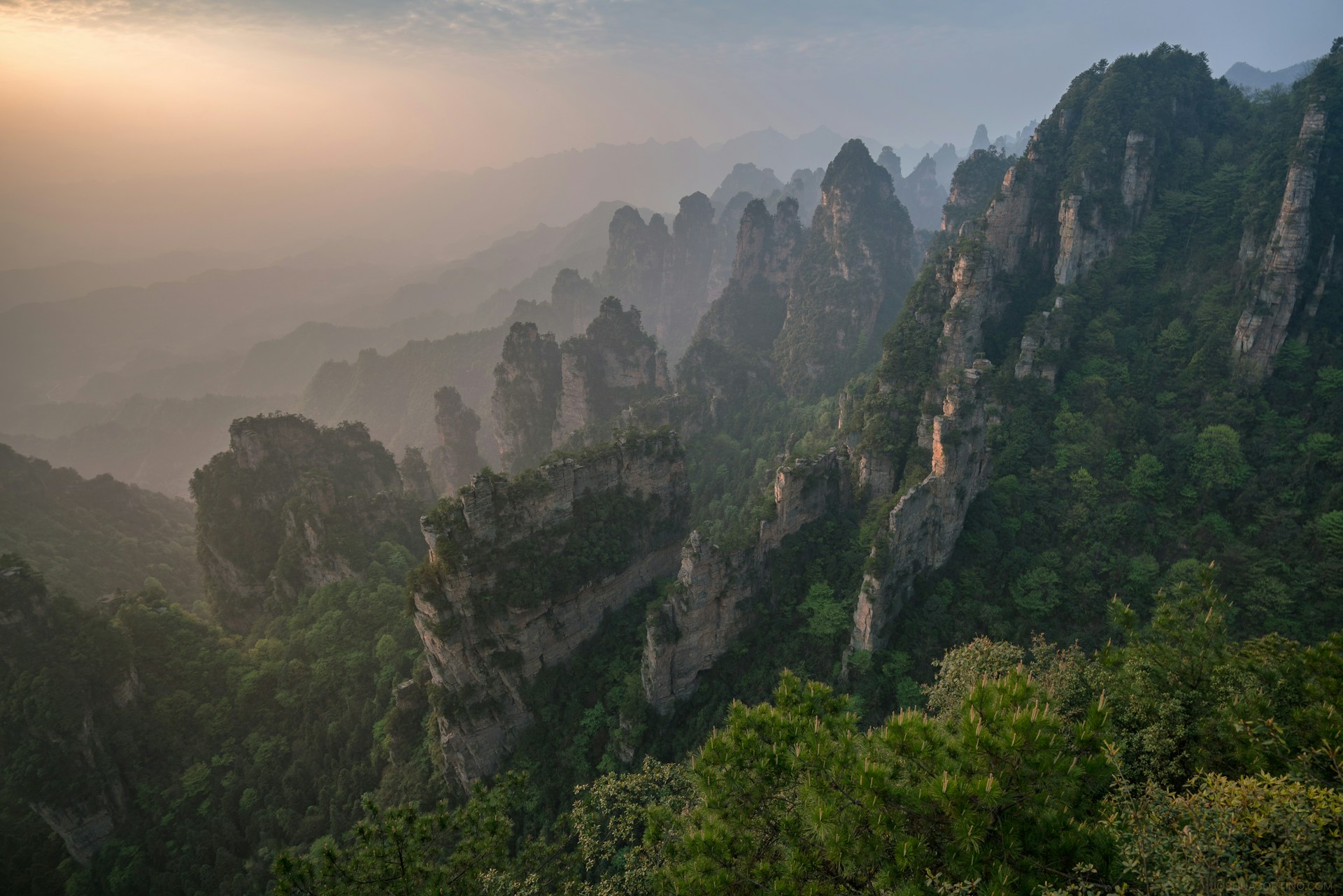
In Hunan Province, Zhangjiajie National Forest Park is famous for its steep cliffs and vertical rock pillars rising through mist. Adventurous travellers can cross the world’s longest glass bridge or ride a cable car for sweeping views of these breathtaking landscapes. It is one of China’s most striking natural wonders and a dream for nature lovers.
Sichuan Province

Sichuan Province in southwest China blends wildlife, mountain scenery, and bold flavours. In Chengdu, visitors can see giant pandas, considered a national treasure. The province is also home to Mount Emei, a UNESCO World Heritage Site known for its ancient temples and forested slopes. From peaceful monasteries to fiery hot pot dinners, Sichuan offers a memorable mix of culture and cuisine.
Beyond the Mainland

Many travellers pair mainland China with time in Hong Kong or Macau. Hong Kong combines harbour views and mountain trails with a global city atmosphere, while Macau reflects Portuguese influence through its colonial architecture. Each has its own entry rules and local laws, so plan accordingly.
A Sample 10–12 Day China Itinerary
To help bring it all together, here is a simple example itinerary that balances history, cities, and natural scenery.
Begin with three days in Beijing exploring the Great Wall, the Forbidden City, Tiananmen Square, and the Temple of Heaven. From there, take a high-speed train to Xi’an for two days to see the Terracotta Army and walk along the ancient city walls.
Next, fly or take the train to Guilin and spend two to three days cruising the Li River and exploring Yangshuo’s countryside. Continue on to Shanghai for two to three days to experience the Bund, modern skyline views, and world-class dining.
If time allows, extend your trip with two days in Zhangjiajie for dramatic mountain scenery or head to Chengdu in Sichuan Province to see giant pandas and visit Mount Emei.
Best Time to Visit China

The best time to visit China depends on where you plan to go, as the country’s vast territory includes multiple climate zones. In general, spring (April to May) and autumn (September to October) are considered the most comfortable times to travel. During these seasons, temperatures are mild across much of north China and east China, making it ideal for exploring major cities like Beijing and Shanghai, as well as walking along the Great Wall of China.
Summer (June to August) can be a good time to visit mountainous regions and areas in southwest China, where cooler elevations offer relief from the heat. This is also a great time for nature lovers to explore places like Zhangjiajie National Forest Park or the countryside around the Li River. However, big cities can be hot and humid, particularly in southern China.
Winter (November to March) brings colder temperatures, especially in northern China, but it can also mean fewer crowds at major tourist attractions. Cities like Beijing take on a quieter atmosphere, and snowy landscapes can add a different perspective to historical sites. Southern destinations, including parts of Guangxi Province and areas near Hong Kong, remain milder and more comfortable during this time.
It is also worth noting that travel periods around major Chinese holidays, such as Lunar New Year in February and National Day in early October, can be extremely busy. Planning around these dates can make a significant difference in your experience!

From the Great Wall of China to the Li River, from imperial palaces to futuristic skylines, China offers a scale and depth that few destinations can match. Whether you are drawn to ancient dynasties, beautiful mountains, or dynamic major cities, this list of the best places to visit in China is just the beginning of an unforgettable journey.
READY TO EXPLORE CHINA?
When you’re ready to book your next travel plans, contact one of our Tier One Travel consultants. They will find the perfect place for your next vacation and will craft something incredible that is suited to your unique needs and will make sure your travel plans will be as stress-free as possible.
One call; endless experiences!