Peru is a South American country with dramatic contrasts in landscape, culture, and climate. Understanding Peru’s weather is one of the most important parts of planning a successful Peru trip, especially if you are travelling during the winter months. Because Peru sits in the southern hemisphere, its seasons are opposite to those in the northern hemisphere. While North Americans experience summer, Peru enters its winter period, bringing a shift in weather conditions across the Andes mountains, the Peruvian coast, and the Amazon basin.
For many travellers, this turns out to be the perfect time to visit some of the country’s most popular destinations.
Peru in Winter
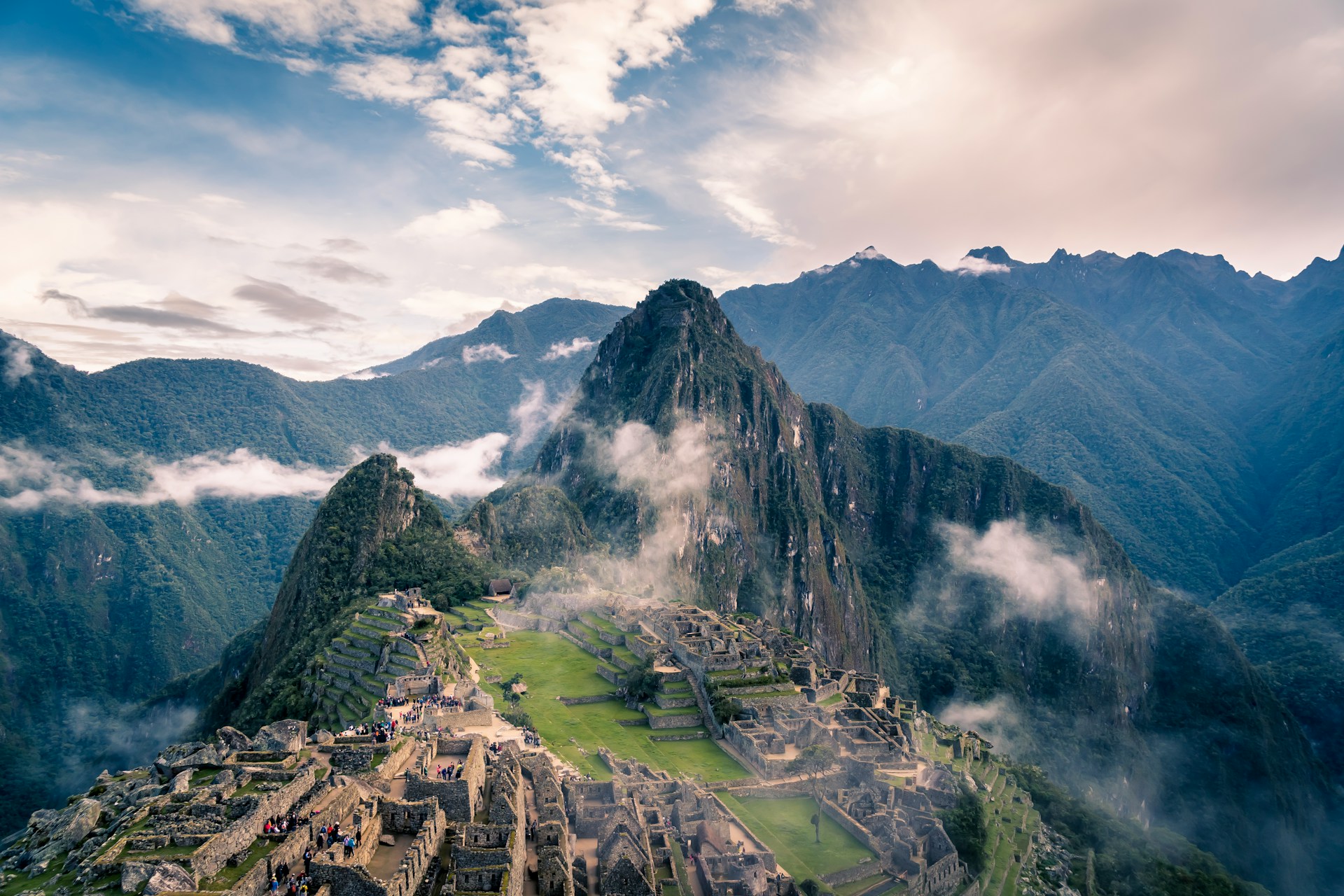
Peru’s winter typically runs from June through September and is considered the coldest time of year in much of the country, particularly in the high altitudes of the Andean region and mountain regions. However, “cold” in Peru does not always mean what travellers expect. In many areas, winter brings dry conditions, clear skies, and sunny days rather than snow or storms.
Daytime temperatures in places like Cusco, the Sacred Valley, and around Machu Picchu often range between 15°C and 22°C under sunny skies, while nights and early mornings can drop to around 0°C to 5°C due to the elevation.
This time of year falls squarely in the dry season for the Andes, which is also the driest season of the year. With little rainfall, clear blue skies, and reliable sunny weather, this becomes an excellent time for outdoor activities, visiting ancient ruins, and hiking through high mountains.
These favourable weather conditions are a major reason this period is also the peak season and high season for tourism in places like Machu Picchu, the Sacred Valley, and along the Inca Trail.
At the same time, winter is part of the wet season in the Peruvian Amazon. In areas such as Puerto Maldonado and Manu National Park, daytime temperatures often sit between 26°C and 31°C with high humidity, heavy rainfall, and rising river levels that shape a very different travel experience in the Peruvian jungle. Along the coast of Peru, especially in coastal cities and coastal towns near the Pacific Ocean like Lima, winter typically brings daytime temperatures around 17°C to 21°C, cloudy skies, and a misty marine layer known locally as garúa rather than bright sunny weather.
These regional contrasts are what make winter a unique opportunity to experience Peru differently, depending on where you go.
Machu Picchu, the Sacred Valley, and the Andes Region
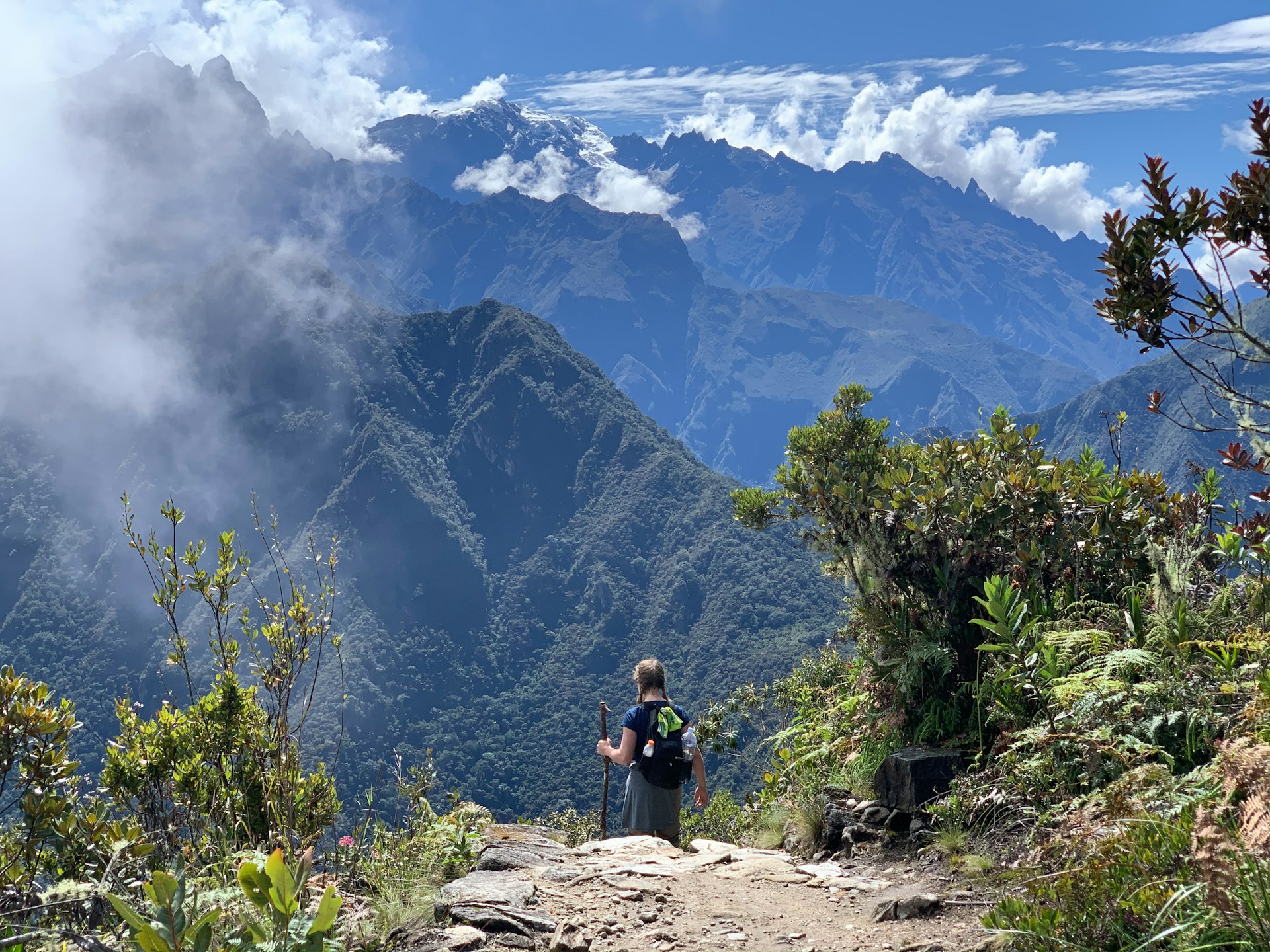
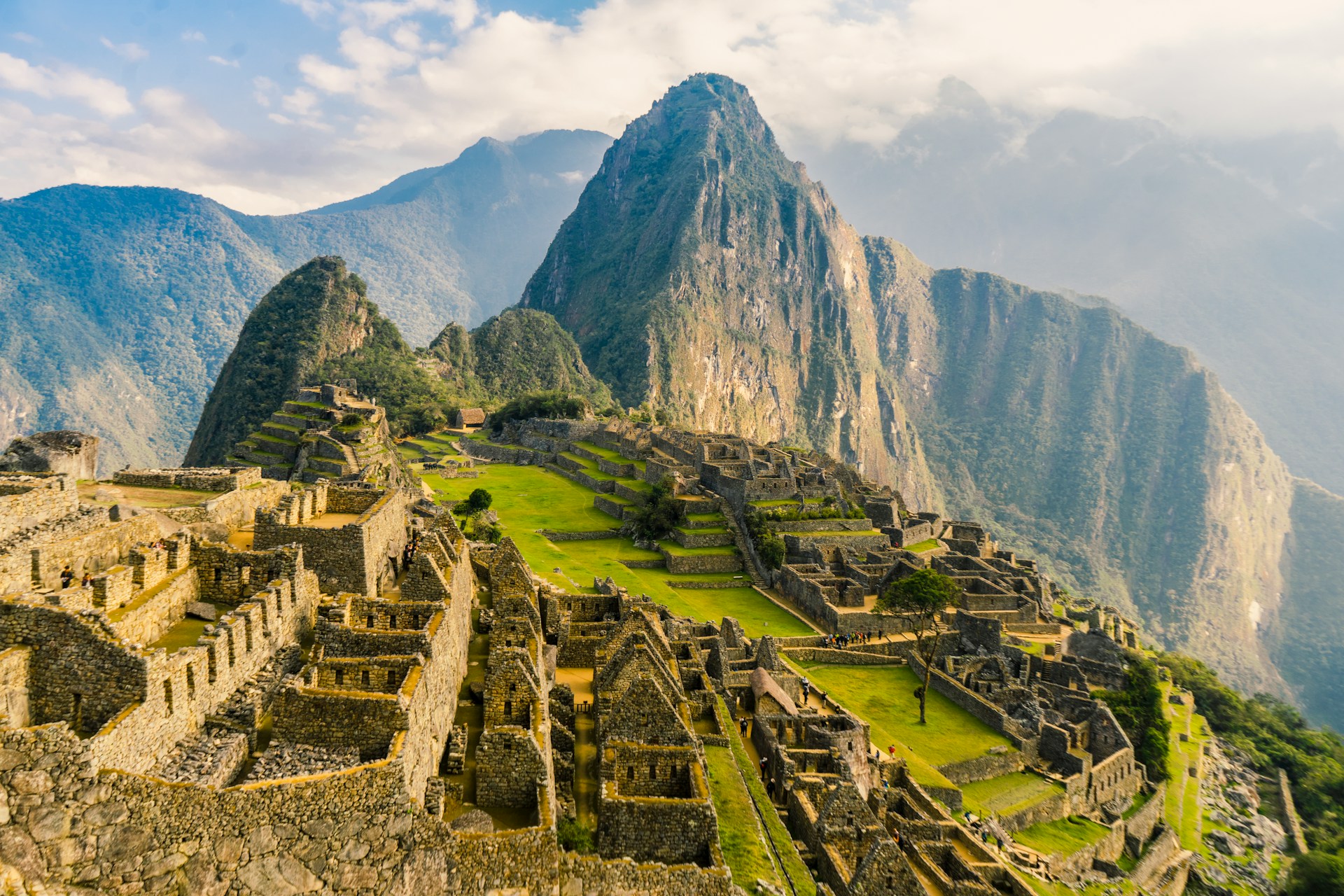
Winter is widely considered the best time to visit Machu Picchu and hike the Inca Trail. During these months, the average daytime temperature in the Andes region is cool but comfortable for hiking, with sunny days, clear skies, and very little rainfall. The absence of heavy rains and rain showers means trails are safer, views are unobstructed, and photographs benefit from clear blue skies.
In the Sacred Valley and surrounding archaeological sites, travellers enjoy dry conditions and consistent sunny weather. Although nighttime brings cold temperatures due to the higher altitudes, the daytime temperatures are ideal for exploring. This is a great time for visiting popular spots like Ollantaytambo, Pisac, and Moray with the help of local guides or expert guides who understand the local weather patterns of the Andean region.
Winter is also the ideal time to visit Rainbow Mountain and Colca Canyon, both located in high mountains, where the dry season makes trekking safer and more enjoyable.
Experience Peru in Winter with These Awesome Tours
Lake Titicaca & High Altitude Regions
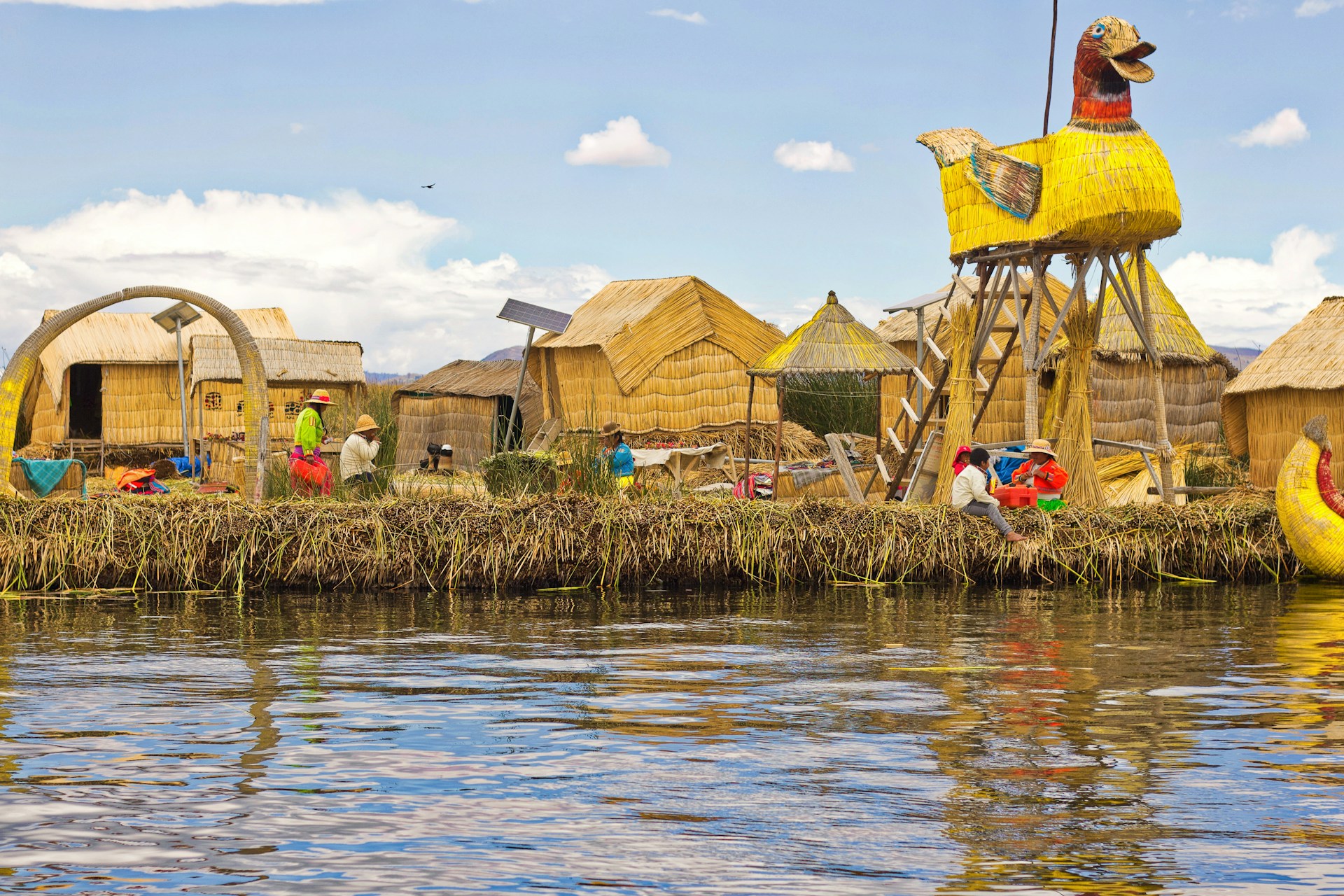
At Lake Titicaca, one of the highest navigable lakes in the world, winter offers sunny skies and minimal precipitation. A boat trip to the floating Uros Islands or Taquile Island is far more pleasant during this time of year, thanks to dry conditions and excellent visibility across the lake.
While this is among the coldest months at such high altitudes, the trade-off is spectacular scenery and reliable weather for excursions. Travellers prepared for cool mornings and evenings find this a great place to experience traditional culture without worrying about heavy rainfall.
Peruvian Coast & Lima
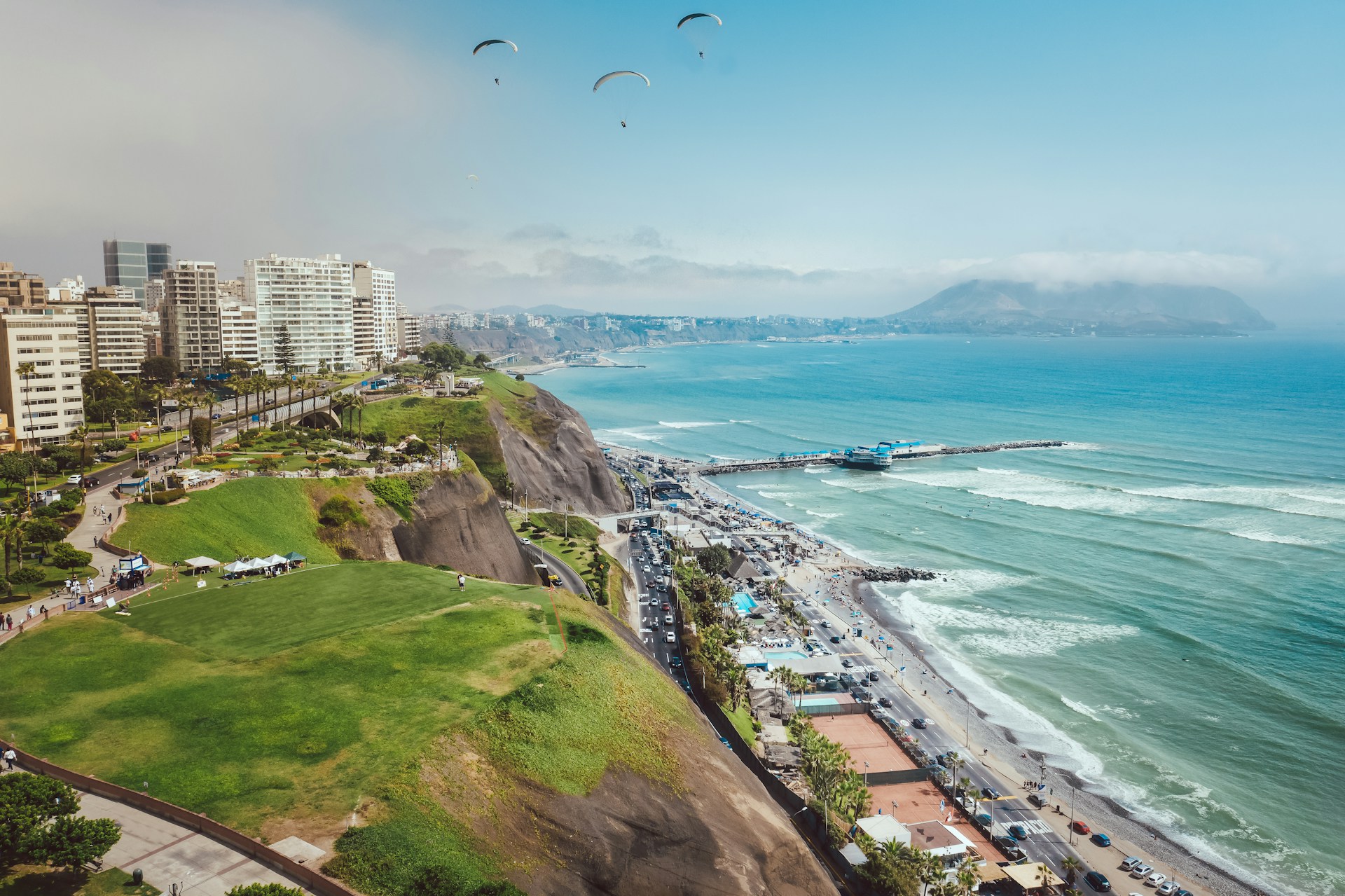
Winter on the Peruvian coast is very different from the mountains. In the capital city of Lima and other coastal areas, this time of year brings cloudy skies, cooler air, and a persistent coastal mist from the Pacific Ocean. You may not see many sunny days, but this is still a good time for cultural sightseeing, museums, food tours, and unique Lima experiences.
Further along the desert coast and in smaller coastal towns, breaks in the cloud cover can reveal stretches of shoreline and wildlife-rich areas like Paracas, where a boat trip to the Ballestas Islands is still worthwhile. Although these are not the warmest months or the hottest months for enjoying warm waters, travellers benefit from fewer crowds and a quieter atmosphere in many coastal cities.
Peruvian Amazon
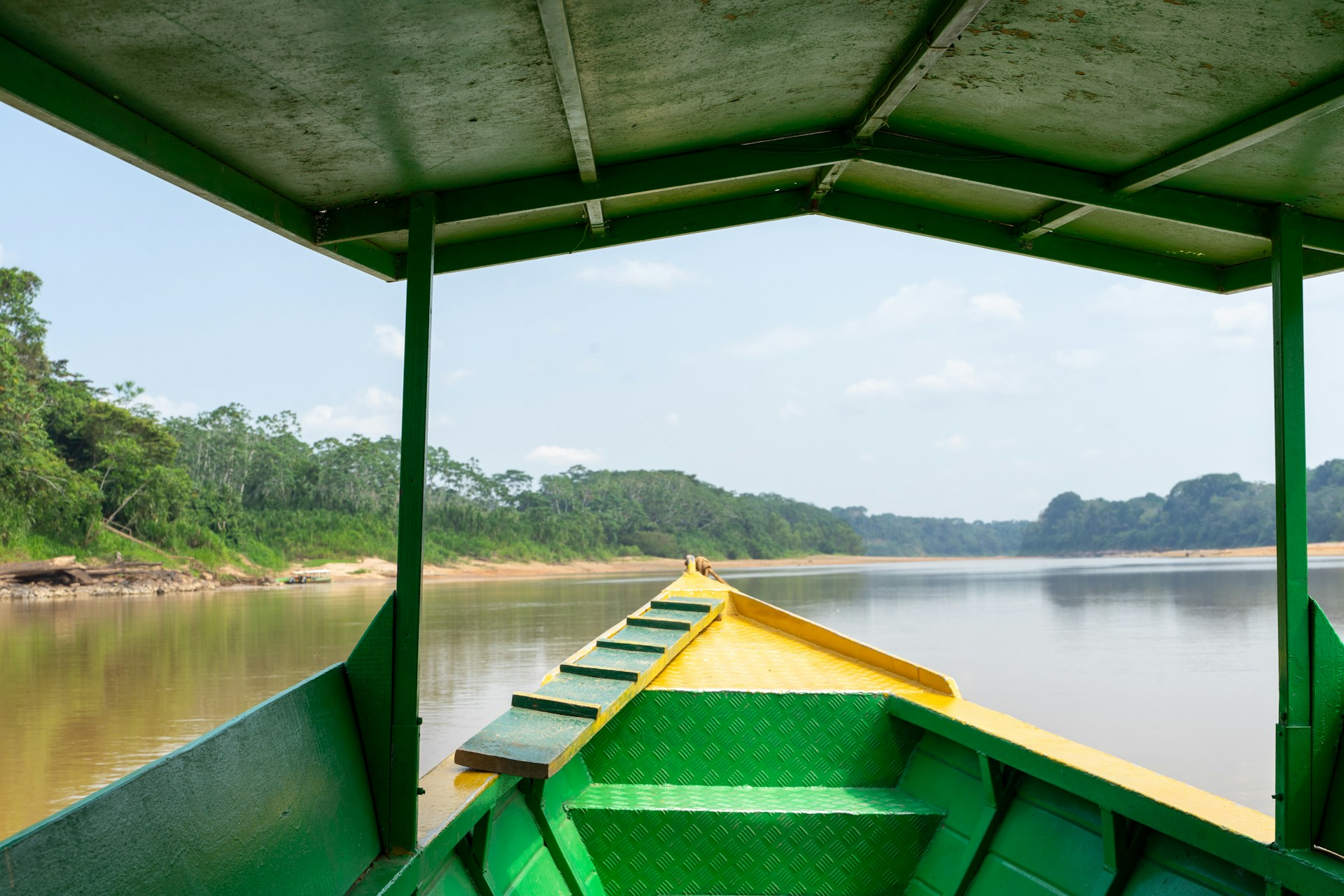
Winter falls within the wet season in the Peruvian Amazon, particularly around Puerto Maldonado and Manu National Park. This period is among the wettest months, with heavy rainfall, high humidity, and a very humid climate throughout the Peruvian jungle and cloud forests.
While this may not sound appealing at first, it creates a unique experience. Higher river levels allow boats to travel deeper into flooded forest areas, increasing wildlife viewing opportunities. Lush vegetation, active wildlife, and fewer travellers make this a unique opportunity for those comfortable with warm weather, moisture, and occasional rain showers.
Why Winter Can Be the Best Time to Visit Peru
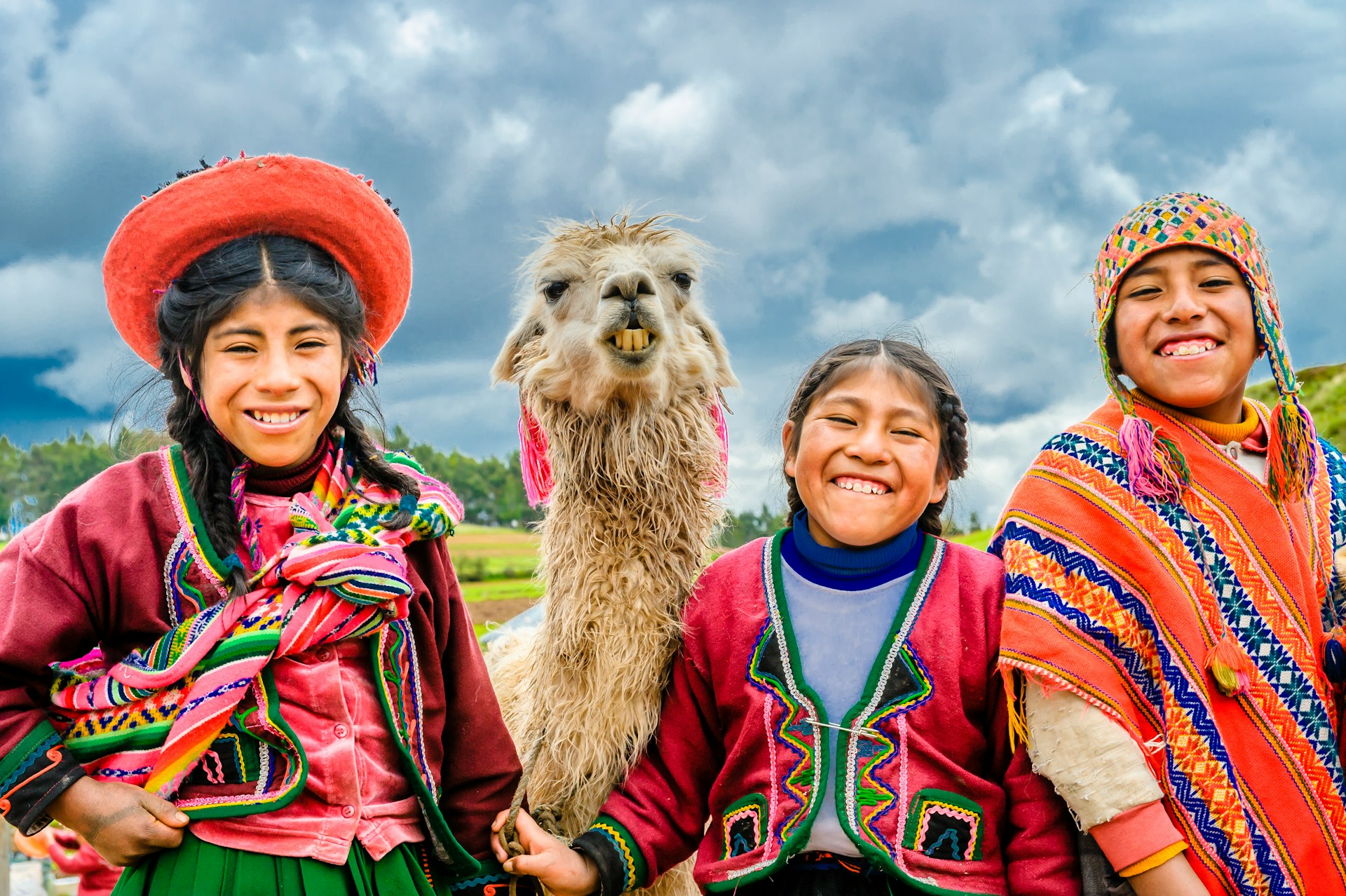
For many travellers, June through September is the most popular time and the best month range to plan a Peru trip. The main seasons of Peru create a situation where winter in the Andes is the ideal time for trekking, sightseeing, and visiting the country’s most famous archaeological sites.
This is when you will find clear skies over Machu Picchu, safe hiking conditions on the Inca Trail, and reliable access to remote areas in the Andes mountains. Although this is the high season, the quality of the experience often outweighs the busier atmosphere, and experienced tour operators can help plan around peak crowds.
Travel Tips for Visiting Peru in Winter
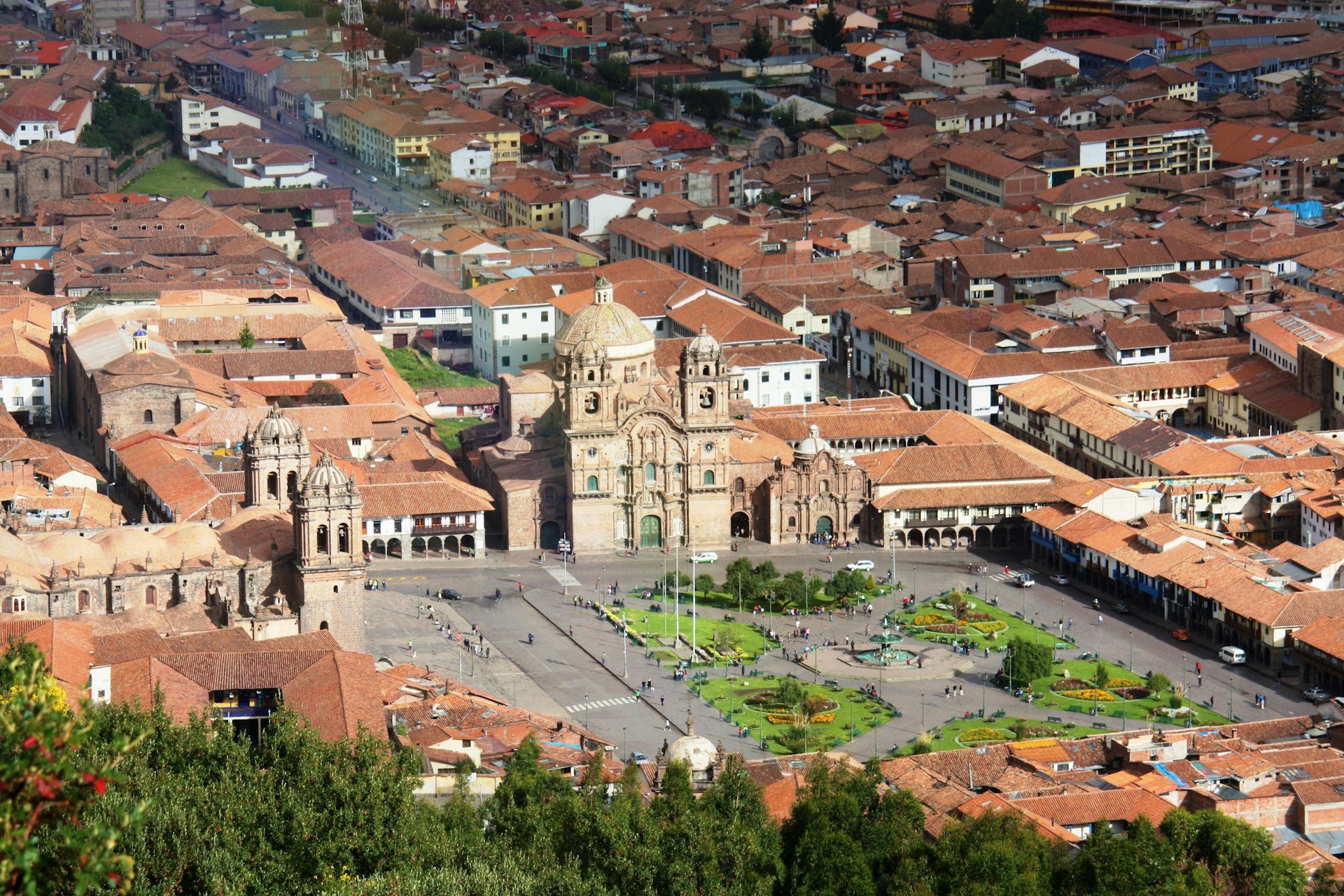
When planning a winter Peru trip, it helps to think region by region. Pack for cold temperatures in the higher altitudes, lighter layers for mild temperatures during the day, and rain gear if you are heading into the Amazon basin. Work with local guides or expert guides who understand the differences in local weather patterns between the coast, mountains, and jungle.
By understanding how Peru’s location in the southern hemisphere shapes its weather conditions, travellers can turn what seems like an off-season into the perfect time for an unforgettable journey through one of the world’s most varied landscapes.
Explore More of South America with These Blog Posts
How To Visit The Rainbow Mountains Peru
The Best Time To See Machu Picchu in Peru
The Best Places to Visit in Argentina
Must-See Brazil Landmarks On Your Next Trip to South America
The Best Beaches in Brazil to Visit
Must-See Brazil Festivals and Holidays
The Ultimate South America Bucket List
EXCITED TO TRAVEL TO PERU?
When you’re ready to book your next travel plans, contact one of our Tier One Travel consultants. They will find the perfect place for your next vacation and will craft something incredible that is suited to your unique needs and will make sure your travel plans will be as stress-free as possible.
One call; endless experiences!